SpaceX Starship Explodes in High-Stakes Test Flight
▼ Summary
– SpaceX experienced an explosion during gas system pressure testing of its upgraded Starship V3 booster in Texas, which blew out a side of the lower section but left the rest standing.
– The explosion occurred early in development before rocket engines were installed, and no one was injured as the area was cleared for testing.
– SpaceX is investigating the cause of the incident, which could potentially delay its testing program and impact overall plans for moon and Mars missions.
– The Starship V3 booster is intended to be larger, more powerful, and capable of orbital docking, crucial for SpaceX’s lunar and Martian exploration goals.
– NASA has expressed concerns about SpaceX’s progress, while competitor Blue Origin is advancing with its New Glenn rocket, increasing competition in the space industry.
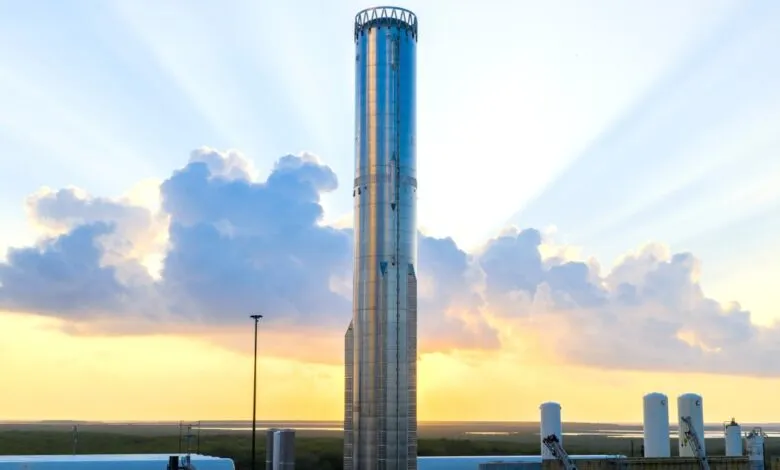
An upgraded SpaceX Starship booster experienced a significant explosion during ground testing at the company’s South Texas facility early Friday morning. The incident, captured by local livestreamers monitoring the Starbase complex, occurred around 4:00 a.m. local time while the rocket was undergoing gas system pressure testing. Unlike previous fiery explosions during SpaceX’s development history, this failure blew out an entire side section of the booster’s lower portion while leaving the main structure standing.
Photographs from the scene reveal substantial damage to the test article, which notably hadn’t even progressed to engine installation according to technical observers. SpaceX confirmed through social media channels that the explosion happened during routine pressure testing of the gas systems, emphasizing that no injuries occurred as the area had been properly cleared for the hazardous operation. The company stated investigation teams require time to determine the precise cause before they can establish confidence in what triggered the failure.
This particular booster represents a crucial component of what SpaceX internally calls Starship version three, or “V3” – the next evolutionary step in their massive spacecraft development. The V3 design promises greater dimensions, enhanced power output, improved reliability, and the critical capability for orbital docking between multiple Starships. These features form essential building blocks for SpaceX’s ambitious plans to reach the Moon and eventually Mars. The company successfully flew what they consider the final V2 design just months earlier in October.
The immediate impact on SpaceX’s aggressive development timeline remains uncertain, though any substantial testing delay could potentially jeopardize the company’s broader strategic objectives. SpaceX has been targeting an exceptionally busy 2026 for the Starship program, with key demonstrations including orbital fuel transfer between a standard Starship and a specialized tanker variant. Proving this complex refueling capability represents a mandatory milestone for NASA before approving crewed lunar missions, which SpaceX reportedly aims to conduct by 2028.
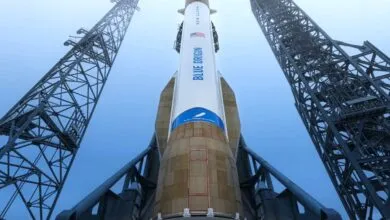
Meanwhile, NASA leadership has expressed concerns about SpaceX’s development pace. The acting administrator has publicly criticized perceived slow progress on lunar mission preparations and suggested potentially transferring contracts to Jeff Bezos’ competing space venture, Blue Origin. This competitive pressure intensifies as Blue Origin accelerates its own mega-rocket development, recently completing the second launch of its New Glenn rocket while successfully delivering NASA’s first commercial payload and recovering the booster. The company further revealed plans for an expanded New Glenn design that would more directly challenge Starship’s capabilities in the heavy-lift market.
(Source: TechCrunch)