Unlock the Power of AirDrop on Your Pixel Phone

▼ Summary
– Google unexpectedly announced AirDrop interoperability for Pixel 10 phones, enabling direct file sharing with Apple devices without Apple’s involvement.
– The feature rolled out via an update and worked successfully with various Apple products like iPads, MacBooks, and iPhones after initial setup issues.
– Users must set receiving Apple devices to “visible to all” mode for AirDrop to function from the Pixel phone.
– Google plans to expand this feature to other devices, but there is concern Apple may shut it down, similar to past incidents like Beeper-gate.
– The European Union’s regulations may protect the feature by promoting interoperability, as seen with RCS adoption on iPhone.
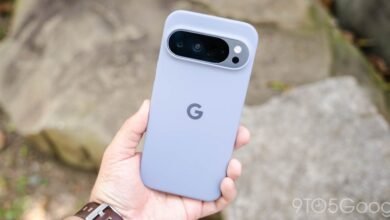
Unlocking seamless file sharing between your Pixel phone and Apple devices is now a reality, thanks to a surprise software update from Google. This breakthrough brings AirDrop functionality directly to Pixel 10 models, enabling effortless wireless transfers to iPhones, iPads, and MacBooks without requiring any cooperation from Apple. The feature began rolling out immediately after its announcement, reaching Pixel 10 Pro and Pro XL units first.
Getting the system operational required more than a standard software update. Following initial difficulties, the solution involved installing a specific system application from the Play Store. The immediate practical benefit became clear when transferring a receipt image from the Pixel to a work MacBook, a monthly task that previously demanded cumbersome workarounds like emailing files or navigating cloud storage. After a simple laptop restart, the AirDrop connection stabilized completely.
The experience proved remarkably smooth across various Apple products, successfully sending everything from taco receipts to family videos and screen recordings. Transfers worked bidirectionally, allowing files to move from MacBooks back to the Pixel with equal ease. Compatibility extended across different Apple operating systems, including iPadOS 18.6.2 and iOS 26.1 developer beta versions, demonstrating robust interoperability.
One limitation requires Apple devices to be set to “discoverable by everyone” mode, a minor inconvenience compared to the functionality gained. The feature’s quiet launch contrasts sharply with what would likely have been a sensational reveal during the Pixel 10’s main announcement event. Google’s platform lead could have generated enormous excitement by showcasing this capability alongside AI features.
Looking forward, Google promises expansion to additional devices, potentially including older Pixel models or broader Android implementations. However, concerns linger about long-term viability, recalling how Apple previously blocked third-party iMessage solutions on Android. Apple’s current silence regarding the feature raises questions about its permanence.
European Union regulations may provide crucial protection for this interoperability. The Digital Markets Act compelled Apple to abandon proprietary wireless protocols in favor of interoperable standards, potentially creating the legal framework that enabled Google’s implementation. Google emphasizes this isn’t a workaround but a direct peer-to-peer connection that maintains privacy by avoiding server routing or data logging. This approach, combined with independent security validation, might encourage EU intervention should Apple attempt to disable the functionality.
The precedent of RCS messaging coming to iPhones under regulatory pressure offers hope that AirDrop compatibility might survive. Ultimately, consumers simply want straightforward file sharing without cloud intermediaries, a reasonable expectation in today’s connected ecosystem. For now, Pixel 10 owners can enjoy this newfound convenience while its future becomes clearer.
(Source: The Verge)