Farewell, Halo Infinite: The End of an Era
▼ Summary
– Halo Infinite was released on December 8, 2021, and its final update, “Operation Infinite,” was released on November 18, 2025, ending a planned 10-year support cycle after just over four years.
– The campaign featured Master Chief as the sole protagonist in an open-world setting on Zeta Halo, using the Grappleshot for movement and combat to revitalize the series’ image.
– Multiplayer initially lacked key features like campaign co-op and Forge but evolved into a fan-favorite experience with regular Operations, new content, and player-created features.
– Development challenges included reported mismanagement by Microsoft and staff departures, with Xbox’s focus shifting to acquiring Activision Blizzard and Call of Duty.
– Halo is transitioning to multiplatform releases, starting with Halo: Campaign Evolved on PlayStation 5 in 2026, expanding the franchise’s audience beyond Xbox.
The journey of Halo Infinite has reached its final chapter, with the release of its last major update, “Operation Infinite,” marking the end of active development for the title. Originally launched in December 2021 by 343 Industries, now rebranded as Halo Studios, the game was intended as a long-term platform with a ten-year roadmap. Instead, its active service concluded just over four years later, as the team shifts focus to the upcoming Halo: Campaign Evolved.
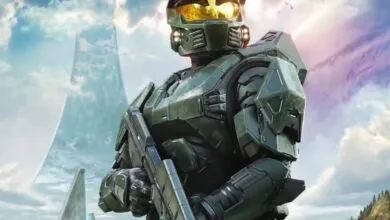
When it debuted, Halo Infinite was positioned as a course correction for the franchise, aiming to restore faith after a period of uncertainty following Bungie’s departure. The single-player campaign centered exclusively on Master Chief and introduced players to the vast, explorable expanse of Zeta Halo. Movement and combat were revitalized by the Grappleshot, which allowed for dynamic traversal and creative enemy engagements. While the story played it safe by pitting Chief and his new AI companion, Joyeuse, against familiar Forerunner-related threats and Covenant remnants, the open-world structure offered a fresh, if not groundbreaking, take on the Halo formula.
Where the game truly shined, and stumbled, was in its multiplayer component. At launch, several beloved features were conspicuously absent, including campaign co-op and the Forge map editor. Server instability and a divisive battle pass system further tested player patience. Yet, beneath those issues lay a solid foundation: the gunplay felt authentically Halo, movement was responsive, and matches captured the spirit of earlier titles while carving out its own identity.
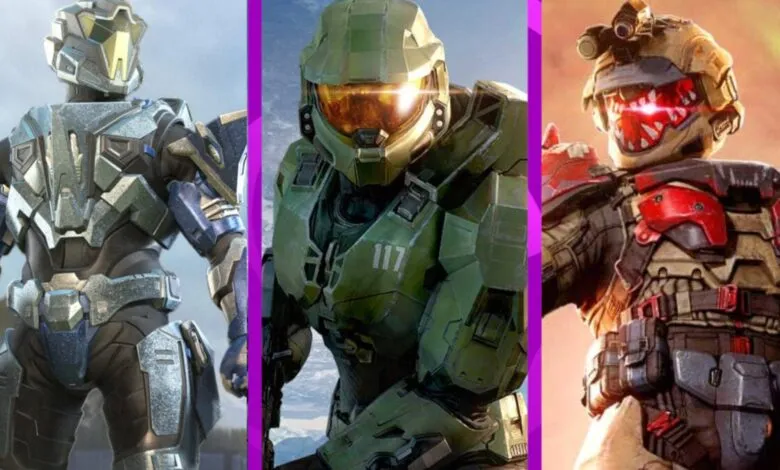
Over time, the developers listened to community feedback and steadily improved the experience. They abandoned rigid seasonal models in favor of more frequent, bite-sized Operations. Missing modes like Forge and campaign co-op were eventually integrated, alongside a steady stream of new maps, weapons, and armor sets. Players could even revisit and complete earlier battle passes, which encouraged returning again and again. In its prime, Halo Infinite offered a compelling live-service shooter, one where player-created Forge missions and surprising additions, like a well-executed third-person mode, kept the community engaged and creative.
Still, it’s impossible to overlook the turbulent development that plagued the project from the start. Reports surfaced of internal disarray at 343 Industries, with former staff criticizing Microsoft for mismanagement. Key figures like Joe Staten, a veteran Halo writer who joined to assist, eventually left the studio. As Microsoft shifted its attention toward acquiring Activision Blizzard and its crown jewel, Call of Duty, support for Halo appeared to wane. This corporate repositioning likely contributed to the challenges Halo Infinite faced in sustaining its early momentum.
The identity of Halo within the Xbox ecosystem has also evolved dramatically. No longer an exclusive flagship, the franchise is embracing a multiplatform future. Halo: Campaign Evolved is scheduled to release on PlayStation 5 alongside Xbox Series consoles in 2026, with future titles expected to follow. This strategic expansion opens the series to entirely new audiences, players who may have only encountered Halo through cultural osmosis or classic fan series like Red vs. Blue.
While it’s fitting that a remake of the original Halo will debut on PlayStation, many fans wish that honor had gone to Halo Infinite instead. Conceived as a rejuvenating force for the brand, Infinite succeeded in reminding players, at least for a time, of what makes Halo special. Its run was shorter than promised, but it delivered moments of brilliance that reaffirmed the series’ potential. Here’s to hoping the next comeback story doesn’t require so much rebuilding. Farewell, Halo Infinite, we’ll look forward to rediscovering you someday in the Master Chief Collection.
(Source: Gizmodo)