Valve Turns MicroSD Cards Into Game Cartridges
▼ Summary
– The Steam Deck revolutionized portable PC gaming by allowing users to play a vast catalog of games on the go or on a TV, with expandable storage via microSD cards.
– Valve’s upcoming Steam Machine PC and Steam Frame VR headset, launching in early 2026, will also run SteamOS and feature microSD card slots compatible with Steam Deck cards.
– Games stored on a SteamOS-formatted microSD card will be instantly accessible across all three devices, eliminating the need for re-downloading when switching hardware.
– The devices use UHS-I microSD card readers, which are slower than modern alternatives and may not support all games optimally, though Valve claims they perform well for most users.
– This cross-device compatibility creates a cohesive ecosystem, positioning Valve’s hardware as convenient and integrated in the competitive console market.
The Steam Deck fundamentally altered how many of us purchase and enjoy video games, offering a massive library of PC titles in a portable format or on a larger display. Much like the Nintendo Switch impressed with its hybrid flexibility, the Steam Deck captivates by letting you dive into your Steam library anywhere. A significant part of this convenience comes from the microSD card slot, which allows for easy storage expansion, letting you carry an entire collection of games in your pocket.
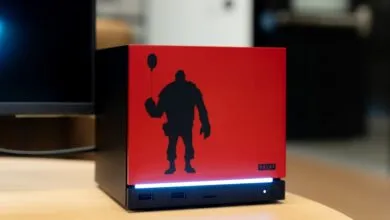
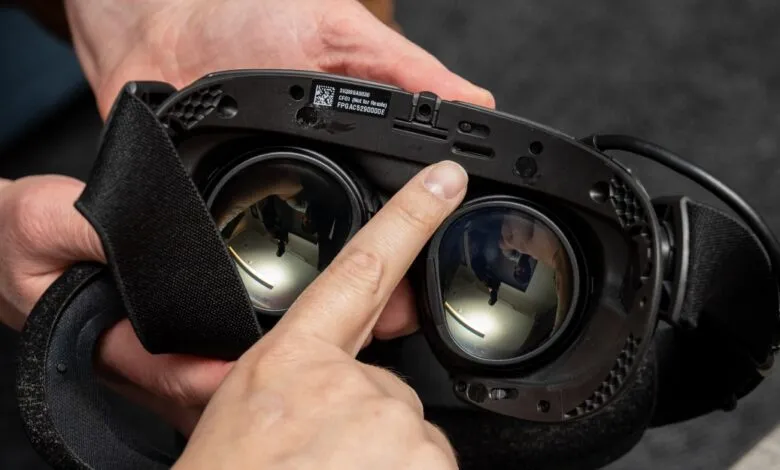
Valve is now elevating the utility of these memory cards with its upcoming Steam Machine PC and Steam Frame VR headset. Both devices run on Valve’s Linux-based SteamOS and, crucially, both include their own microSD card slots. This means any microSD card you’ve already formatted for SteamOS in your Steam Deck will be instantly recognized by the new hardware. The games stored on that card become immediately accessible without any additional setup.
On the Steam Machine, you’ll find the microSD card slot conveniently positioned on the lower section of the device. When these new products launch in early 2026, this feature will allow you to unbox them, insert your existing Deck microSD card, and start playing most of your games right away. You won’t need to endure lengthy download times all over again. It’s important to note that performance may vary across the three devices due to their differing hardware specifications, but a large number of games are expected to run smoothly on all of them.
In essence, your microSD card transforms into a modern-day game cartridge. The key difference is its versatility; instead of being locked to one console or a single title, you can carry a library of games on one card and play them on any compatible SteamOS machine. This creates a seamless, portable gaming experience across Valve’s hardware ecosystem.
A potential limitation lies in the card reader technology itself. Valve has equipped these devices with UHS-I card readers, which are considerably slower than the latest microSD Express standards or internal solid-state drives. While sufficient for many games, these readers might struggle with titles that demand very fast data streaming. In contrast, Nintendo’s Switch 2 supports the faster microSD Express format, though it has also introduced a new cartridge system that acts more as a license key rather than containing the full game data.
Valve’s hardware engineers stand by their decision. They point to extensive testing showing that SD cards perform reliably well for the majority of gaming scenarios. The primary goal was to create an exceptionally user-friendly experience where you can simply plug in your card, sign in, and begin playing. This focus on convenience and ecosystem cohesion could provide a significant edge for Valve as it steps more firmly into the competitive console market.
(Source: The Verge)