Windows 11 Laptops May Finally Get MacBook-Level Haptic Trackpads
▼ Summary
– Windows 11 is developing a new “haptic signals” feature to provide advanced haptic feedback for trackpads and mice during interface interactions.
– The feature is currently hidden in preview builds and not yet functional, but it may soon enter testing in the Dev and Beta channels.
– Haptic feedback will trigger for specific actions like snapping windows into place or aligning objects, creating a physical buzz on supported devices.
– Users without haptic-enabled peripherals, such as the Logitech MX Master 4 mouse, will not be able to use this functionality.
– Microsoft is catching up to Apple, which has long incorporated haptic feedback in products like MacBook trackpads with Force Touch technology.
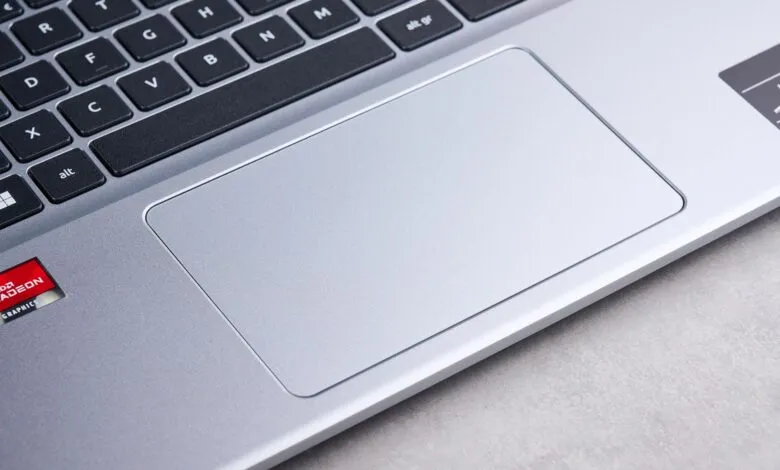
The next generation of Windows 11 laptops could soon deliver haptic trackpad experiences rivaling those found on Apple’s MacBook lineup. Microsoft is reportedly developing an advanced haptic feedback system currently hidden within preview builds of its operating system. This emerging feature, internally referred to as “haptic signals,” promises to provide tactile responses during various interface interactions, potentially transforming how users engage with their Windows devices.
While not yet active in current testing versions, the functionality was discovered by PhantomOfEarth, a reliable Microsoft insider known for uncovering hidden features within Windows preview builds. The discovery indicates Microsoft has been quietly developing this capability behind the scenes, though official testing hasn’t commenced.
When eventually activated, haptic signals will enable subtle vibrations when performing specific actions within Windows 11. Users could feel physical feedback when snapping windows into position, aligning interface elements, or completing other system interactions. These tactile responses would only function with compatible hardware, either advanced haptic-enabled trackpads on laptops or specialized mice like the Logitech MX Master series.
Currently inaccessible through normal means, the feature requires specialized configuration tools to activate within Windows 11 Dev and Beta channel builds. This hidden implementation suggests Microsoft is preparing to launch formal testing in the near future, though the company hasn’t confirmed any timeline for public release.
The existing haptic feedback system in Windows 11 already provides satisfying simulated clicks for trackpad users, replacing mechanical buttons with convincing vibrations. The new haptic signals would expand this concept significantly, adding contextual feedback that enhances the user experience without requiring visual confirmation.
For those who prefer minimal sensory input, the system will reportedly include customization options. Users will likely disable specific haptic effects entirely or adjust their intensity according to personal preference, similar to how console gamers can modify controller vibration settings.
Microsoft’s move represents a significant step toward catching up with Apple’s established haptic technology. Apple introduced sophisticated Force Touch trackpads on MacBooks years ago, creating an industry benchmark for premium tactile feedback. The Windows implementation aims to bring similar sophistication to PC laptops, potentially narrowing the user experience gap between the two platforms.
As development continues, Windows enthusiasts await the official testing phase to experience these enhanced haptic capabilities firsthand. The technology could mark an important evolution in how users physically interact with their computing devices, bringing a new dimension to everyday computing tasks.
(Source: TechRadar)