Revive Your Nest Thermostat: Google’s Discontinued Device Gets New Life
▼ Summary
– Google discontinued support for 1st and 2nd generation Nest Thermostats, removing app control functionality despite over a decade of service.
– A GitHub project by Cody Kociemba offers a method to revive these older Nest Thermostats by loading new software and redirecting data to a new platform.
– This unofficial solution requires users to take full responsibility for their devices and carefully follow instructions, as it is not supported by Google.
– The process is free and can restore thermostat functionality to its previous state, but carries risks and may not work for everyone.
– Alternative options include upgrading to newer thermostat models from Google or other brands, which may be eligible for rebates from local power companies.
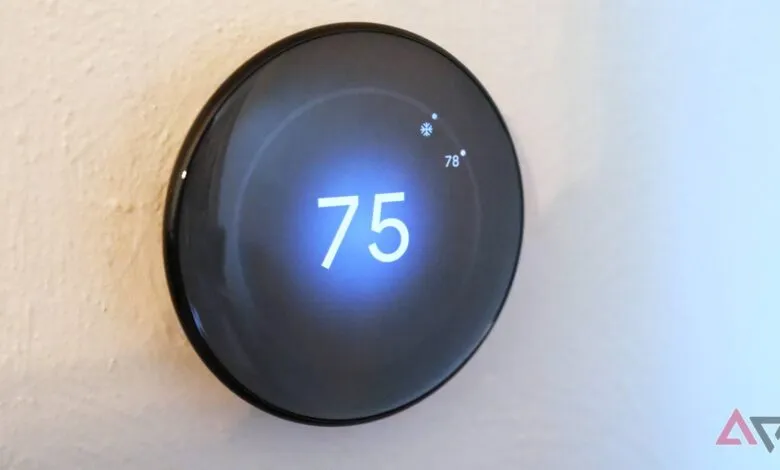
For many homeowners, the news that Google discontinued support for its first and second-generation Nest Learning Thermostats came as a frustrating blow. These devices, once the pinnacle of smart home convenience, suddenly lost their remote control capabilities via the Nest app, despite functioning perfectly otherwise. It’s an unexpected scenario for a product designed for long-term use, leaving users searching for ways to restore the connected features they relied on.
Fortunately, a promising solution has emerged from an independent developer, offering a potential revival for these orphaned devices. Cody Kociemba has shared a project on GitHub that provides a method to bring older Nest Thermostats back to life. This approach involves loading new, custom software onto the thermostat, which redirects its data to a new platform and restores your ability to control it remotely.
It is crucial to understand that this is a community-driven project, not an official Google solution. Undertaking this process requires technical confidence and carries inherent risks. You will be solely responsible for the outcome, and if anything goes wrong during the firmware update, you may be left with a non-functional unit. The instructions are available for those willing to proceed, but they demand careful reading and precise execution.
The potential reward, however, is significant. Reports indicate that for those who successfully complete the process, the thermostat operates much as it did before, seamlessly integrating back into their smart home routine. The entire project is available at no cost, putting the power to revive your device directly in your hands, provided you’re comfortable with the required technical steps.
If the idea of manually flashing new firmware seems too daunting, there are alternative paths to consider. Upgrading to a newer model, such as the latest Nest Thermostat or a competing device from another brand, is a straightforward option. Many local power companies also offer rebates and incentives for installing new, energy-efficient smart thermostats, which could significantly reduce the cost of a replacement. This provides a safe, supported way to maintain a modern, connected home environment.
(Source: Android Police)