Kirby Air Ride’s Accessibility Features Are a Nintendo Rarity

▼ Summary
– The Nintendo Direct on October 23rd featured Kirby Air Riders and highlighted new accessibility options, though this may not signal broader change at Nintendo.
– Kirby Air Riders includes extensive accessibility features like button remapping, colorblind filters, and customizable HUD settings, with in-game remapping available.
– Motion sickness mitigations are a key focus, allowing players to adjust onscreen markers, field of view, and camera effects to reduce discomfort.
– These accessibility efforts are attributed to director Masahiro Sakurai’s personal interest, rather than a company-wide initiative at Nintendo.
– Past Nintendo games and industry trends suggest this should not be seen as a turning point, despite being a positive step for accessibility.
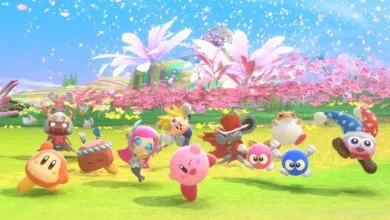
The recent Nintendo Direct presentation offered an extensive look at the upcoming Kirby Air Ride, but the most noteworthy segment focused on its comprehensive accessibility features. Game director Masahiro Sakurai dedicated several minutes to detailing options that are unusually robust for a Nintendo first-party title. This attention to accessibility represents a significant departure from the company’s typical approach, though it may reflect the priorities of Sakurai’s development team rather than a company-wide shift.
An impressive suite of accessibility options includes full button remapping directly within the game, adjustable text sizes, and a selection of colorblind filters. Players can also modify the heads-up display by adjusting its size and transparency, and they can enable on-screen outlines for better visibility. Unlike many previous Switch 2 titles, control customization isn’t limited to the system level; it can be handled entirely within the game. The ability to save custom control profiles with specific names and configure the game for one-handed play further enhances its flexibility.
Sakurai emphasized his personal commitment to including motion sickness reduction features, which allow players to add customizable on-screen markers and adjust the field of view. The option to completely disable camera shake and screen tilt is also available. For players who prefer simpler adjustments, the game offers visual accessibility presets ranging from “none” to “medium” and “strong,” with all changes previewable directly in the settings menu.
This level of accessibility support, communicated clearly before the game’s launch, is a major benefit for players with disabilities. The fact that a high-profile release like Kirby Air Ride includes such thoughtful customization marks a positive step. However, it’s important to view this development in context. Sakurai has demonstrated a growing personal interest in accessibility, particularly regarding motion sickness, suggesting these features may stem from his direct influence rather than a new corporate mandate at Nintendo.
Past instances of supposed progress in Nintendo’s accessibility approach have often failed to establish lasting change. Initial excitement over the Switch 2’s system-level accessibility options was followed by first-party games that largely ignored these features. The recent Drag x Drive, a wheelchair basketball game that used inaccessible motion controls, highlighted this ongoing issue, with Nintendo simply directing players to system-level workarounds.
The broader gaming industry has seen similar patterns, where groundbreaking accessibility in titles like The Last of Us Part II didn’t necessarily lead to widespread adoption. While Sakurai himself acknowledged learning from such games during Kirby Air Ride’s development, the industry overall has not maintained that momentum. This new title deserves celebration for its thoughtful design, but history advises cautious optimism about whether it will inspire broader change within Nintendo’s future releases.
(Source: The Verge)