Galaxy S26 Pro & Ultra Camera Specs Confirmed

▼ Summary
– The Galaxy S26 Pro is rumored to have the same triple rear camera setup as the S25, with a 50MP primary, 12MP ultra-wide, and 10MP telephoto lens.
– The Galaxy S26 Ultra is expected to retain the S25 Ultra’s quad rear camera system of 200MP + 50MP + 50MP + 10MP and a 12MP front camera.
– A poll shows that over 50% of respondents would not buy a Galaxy S26 series phone if the camera specs remain unchanged from the previous generation.
– Despite unchanged megapixel counts, camera performance could improve through software optimizations or new sensors, such as a potential primary sensor upgrade for the S26 Pro.
– The author suggests cautious excitement for the Galaxy S26 series, noting that while many features may feel familiar, there are still promising rumors and unanswered questions about upgrades.
Samsung’s upcoming Galaxy S26 Pro and Ultra models appear set for a camera specification refresh that may leave enthusiasts wanting more, as early reports suggest minimal hardware upgrades over their predecessors. This news arrives amid swirling questions about the reasoning behind the “Pro” branding for one of the new devices, fueling speculation and a touch of disappointment among the tech community.
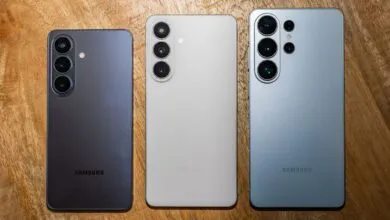
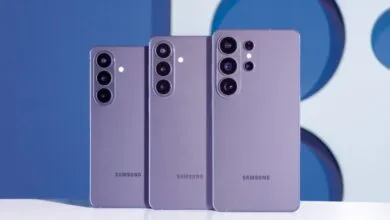
For many, the Galaxy S26 Pro name sparked hope that Samsung had something special planned to distinguish it from the standard model. However, recent supply chain whispers indicate the camera system will mirror the base Galaxy S25. The Pro is expected to feature a triple-lens rear array consisting of a 50-megapixel main sensor, a 12-megapixel ultra-wide lens, and a 10-megapixel telephoto camera with 3x optical zoom. A single 12-megapixel front-facing camera is also anticipated.
This configuration signals no change from the current generation, and the same story seems to apply to the Galaxy S26 Ultra. The Ultra model is predicted to carry over the S25 Ultra’s quad-camera setup, which includes a 200-megapixel main camera, dual 50-megapixel sensors, and a 10-megapixel periscope telephoto lens. Its front-facing camera is also expected to remain at 12 megapixels.
With such similar hardware on paper, potential buyers are left wondering if an upgrade is justified. A key question emerges: will improved photography come from better software processing or entirely new sensors, even if the megapixel counts stay the same? Industry observers know that raw megapixel numbers are not the sole determinant of image quality. Real-world photography performance can be dramatically enhanced through sophisticated software optimizations and newer, more capable camera sensors, even if their resolution remains identical.
This is where a glimmer of hope appears for the Galaxy S26 Pro. While its 50MP main sensor count may not change, it is rumored to replace the sensor found in the Galaxy S25. This hardware swap could potentially deliver better light capture, faster focusing, or improved video capabilities. This sensor upgrade might, at least partially, explain the new “Pro” designation. A similar change was once rumored for the Ultra model, though that now seems less likely.
It is still far too early to declare that the best Android phone of 2026 will offer no meaningful camera improvements over the current champion. The final software tuning and the specific performance of any new sensors will be critical. For those who were not completely satisfied with the Galaxy S25 series, there is reason for cautious optimism. The sequels will undoubtedly feel familiar, but the potential for refined image processing and subtle hardware tweaks leaves the door open for pleasant surprises. The complete picture of the Galaxy S26 family’s capabilities will only come into focus as its launch approaches.
(Source: Phone Arena)