UAE’s Burjeel to Send First Diabetic Astronaut to Space
▼ Summary
– The Suite Ride initiative demonstrated that continuous glucose monitors and insulin pens can operate reliably in space’s extreme conditions.
– This research marks the first continuous glucose monitoring of crew aboard the International Space Station and the first insulin pens flown there.
– These findings open spaceflight opportunities for people with diabetes, who were historically excluded from astronaut roles.
– The initiative advances remote healthcare models applicable both in space and for extreme environments on Earth like oil rigs.
– The research supports the UAE’s space ambitions and will help generate diverse medical data to better inform science worldwide.
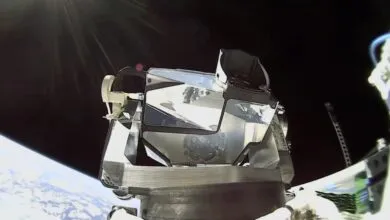
Burjeel Holdings has unveiled plans to launch the first astronaut with diabetes into space, following groundbreaking research conducted on the International Space Station. This development comes after the successful “Suite Ride” initiative during Axiom Mission 4, which demonstrated that standard diabetes management tools function effectively in space. The findings indicate that continuous glucose monitors and insulin pens operate reliably under microgravity conditions, paving the way for more inclusive space travel.
The research partnership between Burjeel Holdings and Axiom Space involved a four-member crew spending eighteen days aboard the ISS testing remote healthcare capabilities. Their work represents a significant stride toward making spaceflight accessible to individuals with medical conditions that previously disqualified them from such missions. Early data confirms that continuous glucose monitoring devices provide readings in space with accuracy matching terrestrial performance, enabling real-time tracking of astronauts’ blood sugar levels and transmission of this data to ground control.
The Suite Ride initiative achieved multiple historic milestones, marking the first continuous glucose monitoring of crew members on the space station. It also represented the inaugural flight of insulin pens to the orbital laboratory and provided the first validation of glucose monitoring across various measurement methods in space. These accomplishments open new possibilities for populations previously excluded from space travel while advancing remote medical monitoring technologies for extreme environments both on Earth and beyond.
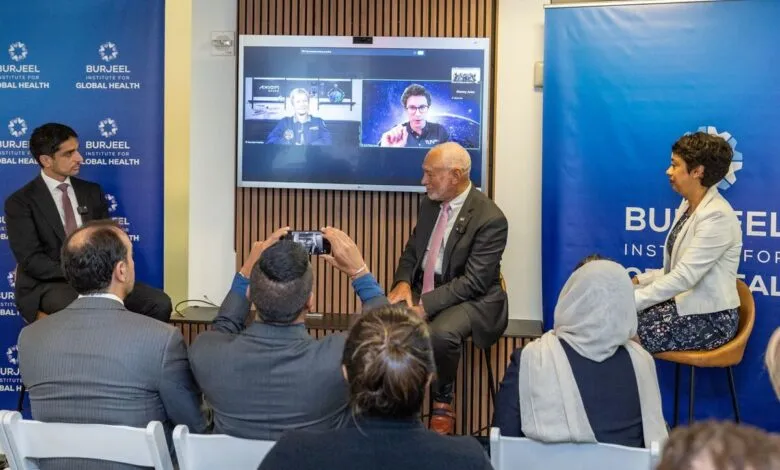
During a recent panel discussion, Omran Sharaf, Assistant Foreign Minister for Advanced Science and Technology, emphasized the importance of creating inclusive space exploration opportunities. He noted that people from different regions may require varied treatments due to genetic characteristics, and having more individuals in space helps generate the diverse data necessary to advance scientific understanding.
Dr. Mohammad Fityan, Chief Medical Officer at Burjeel Medical City and clinical lead for the space health research, explained that Burjeel initiated this study to pioneer space medicine in alignment with the UAE’s cosmic ambitions. Beyond enabling astronauts with diabetes to participate in space missions, these findings will transform terrestrial healthcare delivery. The technology tested 250 miles above Earth could soon benefit patients in remote locations, from offshore oil rigs to isolated communities, through advanced remote care models.
This research demonstrates that everyday diabetes management tools used by millions worldwide can provide comprehensive, end-to-end monitoring from space to ground and back again. The successful validation of these technologies under extreme conditions not only creates opportunities for future astronauts with diabetes but also drives innovation in remote healthcare solutions that will benefit people across our planet.
(Source: Economy Middle East)