Dying Light: The Beast Review – Parkour Zombie Action in the Highlands
▼ Summary
– Dying Light: The Beast is a sequel that evolved from a planned expansion, featuring returning protagonist Kyle Crane in a new Alpine resort setting.
– The game shifts from urban to rural environments, offering open spaces and woodland areas that change exploration and combat dynamics.
– It introduces a darker, more horror-adjacent tone with oppressive nighttime darkness and dangerous Volatile zombies that trigger chases.
– New gameplay elements include drivable vehicles, an unlockable “Beast Mode” for enhanced combat, and a focus on melee and ranged weapons with a crafting system.
– The game retains the series’ parkour and combat strengths but has some issues with enemy design, grapple mechanics, and occasional visual bugs.
For those who enjoyed the original Dying Light games, Dying Light: The Beast delivers exactly what fans crave, more parkour, more zombies, and more brutal combat, now set against the stunning backdrop of an alpine wilderness. This sequel builds on the series’ strengths while introducing enough new elements to feel fresh, even if its narrative and human enemies don’t always hit the mark.
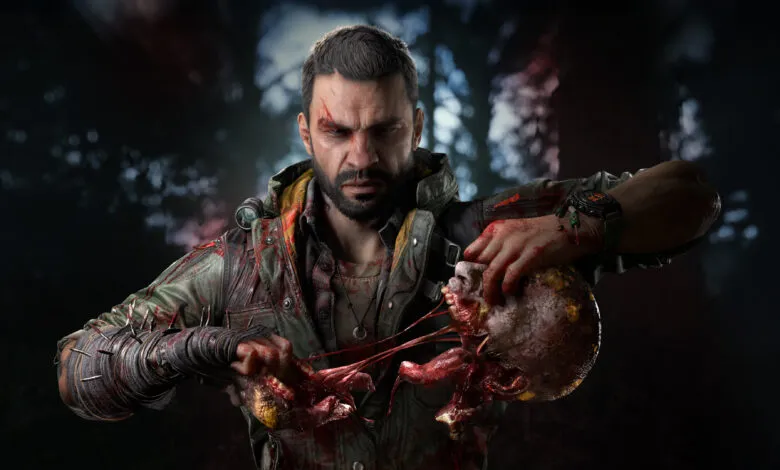
Originally conceived as DLC, The Beast has grown into a full standalone experience. Players once again step into the boots of Kyle Crane, the protagonist from the first game, who awakens after more than a decade of captivity. The world has been ravaged by the virus, and Crane must fight his way through a new infected-filled landscape. The tone is unapologetically violent and fast-paced, prioritizing action over introspection.
The shift from urban sprawl to the rural resort town of Castor Woods is a welcome change. Instead of towering skyscrapers, players navigate dense forests, rocky cliffs, and a crumbling Old Town overrun by nature. The verticality of earlier games is still present, but now complemented by wide-open spaces where danger can emerge from any direction. This setting isn’t just visually distinct, it fundamentally alters how you move and fight.
Parkour remains a core mechanic, and it feels better than ever. Climbing, swinging, and sprinting are intuitive and fluid, whether you’re leaping across rooftops or scrambling up a mountainside. The return of the grappling hook is a particularly smart addition, helping players cover ground quickly in this expansive environment. Unfortunately, the glider from Dying Light 2 is absent, which feels like a missed opportunity even if it makes sense given the setting.
One of the most striking new features is the oppressive darkness that descends at night. Unlike previous games, where light sources were plentiful, Castor Woods becomes genuinely pitch-black after sunset. Your flashlight is essential, but using it risks attracting Volatiles, fast, deadly infected that can quickly turn a cautious stroll into a frantic sprint for safety. This heightened tension gives The Beast a stronger horror flavor than its predecessors, and it works wonderfully.
The story is serviceable but predictable, filled with archetypal characters and straightforward plot beats. It never strives for depth, instead embracing a B-movie sensibility that suits the over-the-top action. Where the game truly shines is in its combat. Melee feels weighty and satisfying, with a gruesome level of detail in every bone-crunching hit. Weapons degrade over time but can be repaired, and the crafting system is straightforward without being oversimplified.
A major new addition is Beast Mode, which allows Crane to temporarily transform into a powerful infected form. Dealing or taking damage fills a meter that, once activated, turns Crane into a devastating close-range fighter. It’s a fun mechanic that adds strategic variety, especially during larger encounters. Upgrades for this ability are earned by defeating special infected bosses, giving players a reason to seek out tougher fights.
Vehicles make a return here, and they’re a blast to use. Abandoned forest ranger cars are scattered throughout the world, providing a faster way to traverse long distances. Mowing down zombies never gets old, though the lack of fast travel means you’ll spend a lot of time behind the wheel. This can make backtracking feel tedious, even with the visceral joy of plowing through hordes.
Human enemies remain the weakest part of the combat loop. They’re less interesting to fight than the infected, and firefights often devolve into standard cover-based shooting. Thankfully, these sections are brief and infrequent. The infected, on the other hand, are a varied and threatening bunch. While many types will be familiar to series veterans, a few stand out, like the Goon, a hulking brute with concrete fused to its arm.
One persistent annoyance is the grapple mechanic. Infected can latch onto Crane with little warning, triggering a quick-time event to break free. Too often, these grabs feel cheap or unavoidable, especially when enemies ambush from off-screen. It’s a minor but frequent frustration in an otherwise excellent combat system.
Performance on PC is generally solid, with good frame rates achievable on mid-range hardware. Visual glitches do pop up occasionally, items clipping through floors, odd animations, even indoor rain, but nothing that ruins the experience. The game is gorgeous, with dynamic weather and detailed environments that encourage exploration. Side quests are more involved than simple fetch tasks, often sending players on hunts or multi-stage missions.
Accessibility options are comprehensive, including settings for motion sickness, colorblind modes, and customizable subtitles. The learning curve may be steep for newcomers, however, as tutorials are minimal and assume familiarity with the series.
In all, Dying Light: The Beast is a confident and enjoyable sequel. It doesn’t reinvent the formula, but it refines it while introducing a compelling new setting and mechanics. If you’re here for visceral combat, fluid movement, and hordes of zombies to slaughter, you won’t be disappointed.
(Source: TechRadar)