Razer Gaming Laptops Face PR Storm Over Hardware, Software Issues
▼ Summary
– Razer is facing criticism from tech channels like Gamers Nexus and Just Josh over issues with its gaming laptops, including faulty trackpads, glitchy software, and poor customer support.
– Specific problems include Razer’s Synapse software causing trackpad unresponsiveness, double keypresses, and performance drops in games, with some reports indicating these are not isolated incidents.
– Customer support is a major complaint, with allegations of prolonged and ineffective troubleshooting processes, such as forced OS reinstalls instead of prompt replacements, and frustrating RMA experiences.
– The criticism is amplified by Razer’s premium pricing, leading to higher expectations for swift resolution of issues, especially on high-end models like the $4,000 Blade 16.
– While not all users experience problems, the key concern is whether Razer’s customer support can adequately address and mitigate these issues for affected customers.
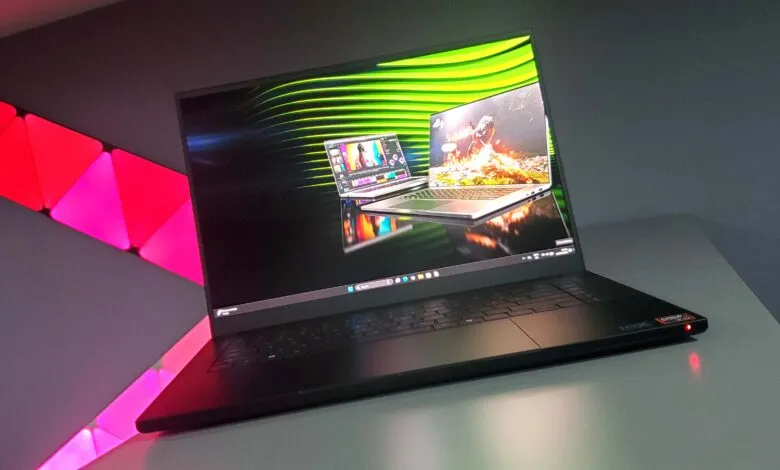
Razer Gaming Laptops are currently under intense scrutiny as prominent tech reviewers and users report widespread hardware malfunctions and software glitches. The controversy centers on the Razer Blade 16 and other recent models, with complaints ranging from unresponsive trackpads and erratic keyboard behavior to significant performance drops tied to Razer’s Synapse software. Customer support response times and effectiveness have also come into question, amplifying frustration among consumers who expect premium performance from a high-end brand.
A detailed video from Gamers Nexus titled “How Razer Screws Customers” highlighted several persistent problems. Among the most cited issues is the Synapse software, which users claim causes trackpads to freeze intermittently and keyboards to register double inputs. In one community poll, nearly 40% of respondents reported trackpad malfunctions on new 2025 Blade laptops. While such polls may attract more negative feedback, the volume of reports suggests a pattern rather than isolated incidents.
Performance issues are another major concern. A Reddit user demonstrated that having Synapse active during gameplay led to noticeable frame rate drops in titles like Control and League of Legends. The user also noted that disabling the software capped the GPU’s power draw, creating a lose-lose situation for gamers. Other problems include external display connectivity issues, frequent crashes, and poor battery performance.
Where the situation becomes particularly troubling is in the realm of customer support. Multiple users describe drawn-out and unhelpful interactions with Razer’s service team. One reviewer, Just Josh, documented a 36-day ordeal involving 12 different support representatives just to secure a replacement for a malfunctioning $4,000 laptop. Such experiences have led to accusations that Razer is slow to acknowledge defects and often insists on unnecessary troubleshooting instead of offering prompt replacements.
It’s worth noting that not every user encounters these problems. Many Razer laptops perform flawlessly, and tech reviews from various outlets, including our own, have not always mirrored these severe issues. However, the consistency of complaints around specific models and software interactions is hard to ignore.
What remains clear is that customer support can make or break the experience for users facing technical difficulties. For a company that positions itself at the premium end of the market, expectations are rightly high. How Razer addresses these growing concerns will be critical in maintaining consumer trust and its reputation in the competitive gaming laptop sector.
(Source: pcgamer)