Viral ‘Deactivated’ Tesla Cybertruck Video Likely Fake
▼ Summary
– An Instagram user claimed Tesla remotely deactivated his Cybertruck on a highway due to an unauthorized music video, but evidence suggests this is unlikely.
– The owner posted a video showing a flashing red warning message and a cease-and-desist letter allegedly from Tesla’s legal team.
– Observers noted inconsistencies in the letter, such as outdated titles and unusual formatting, casting doubt on its authenticity.
– The warning message appeared to be a YouTube video playing fullscreen rather than a genuine Tesla alert.
– Despite the discrepancies, the video spread widely on social media, reinforcing negative perceptions about Tesla and Elon Musk.
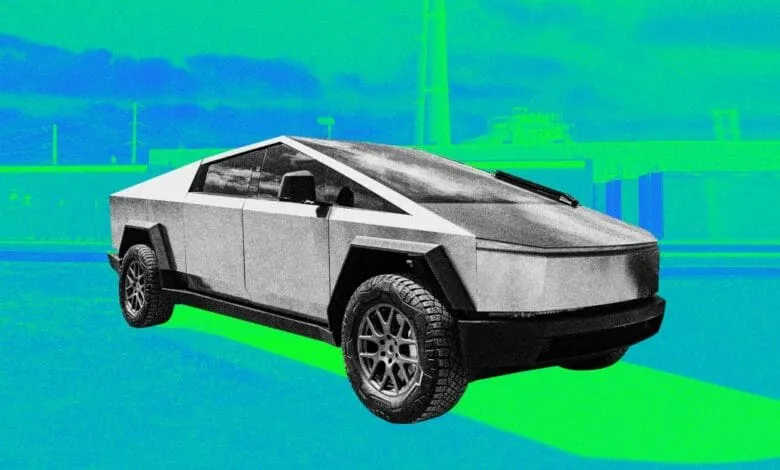
A viral video claiming Tesla remotely disabled a Cybertruck on the highway appears to be fabricated, despite gaining significant traction across social media platforms. The footage, shared by Instagram user @bighuey313, showed the electric pickup truck displaying a flashing red warning message after allegedly being deactivated mid-drive. The owner blamed Tesla, suggesting the shutdown occurred because he featured the vehicle in an unauthorized music video.
Several red flags immediately cast doubt on the video’s authenticity. Alongside the clip, the owner posted what he claimed was a cease-and-desist letter from Tesla’s legal team. However, sharp-eyed observers noted inconsistencies, including outdated job titles and phrasing that didn’t match Tesla’s typical legal correspondence. The supposed warning message on the Cybertruck’s screen also didn’t align with the company’s standard alert design, leading some to speculate it was simply a YouTube video playing in fullscreen mode.
Despite these discrepancies, the clip spread rapidly, particularly on platforms like BlueSky and X, where anti-Tesla sentiment runs high. The incident highlights how easily misinformation can gain momentum, especially when it aligns with existing biases against high-profile figures like Elon Musk. While Tesla has faced criticism in the past for its remote vehicle management capabilities, there’s no evidence the company has ever disabled a moving car over copyright disputes.
Experts and enthusiasts alike remain skeptical, pointing out that Tesla’s legal team would likely pursue standard copyright takedowns rather than extreme measures like remotely immobilizing a vehicle. For now, the video serves as another example of how viral content, regardless of its accuracy, can shape public perception, reinforcing preconceived notions about corporations and their policies.
As discussions continue online, the incident underscores the importance of scrutinizing sensational claims before accepting them as fact. While Tesla’s technology raises legitimate privacy and control debates, this particular case seems more like creative storytelling than a genuine corporate overreach.
(Source: The Verge)