Apple’s 50-Year Evolution in Photos
▼ Summary
– Apple’s influence on technology and culture is so significant that the era before its iconic products like the iPhone now seems distant.
– The company’s history includes memorable moments like the rebellious 1984 Macintosh advertisement targeting IBM.
– Apple products, from the early iMacs to the iPhone, have historically generated significant consumer excitement and store lineups.
– The company’s journey is marked by expansion into global markets, including flagship store openings in locations like Shanghai and Mumbai.
– Apple continues to launch new products and hold major events, such as the release of the Vision Pro headset and the iPhone 16 lineup.
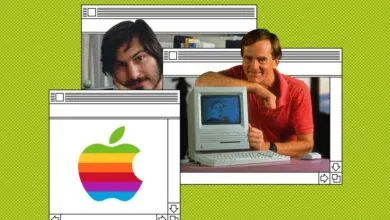
As Apple marks its 50th anniversary, its products are so woven into the fabric of daily life that imagining a world without them is a challenge. The company’s transformative impact on global culture and technology stretches back decades before the iPhone redefined the modern era. This milestone offers a moment to reflect on a remarkable journey from a rebellious garage startup to a trillion-dollar technology empire.
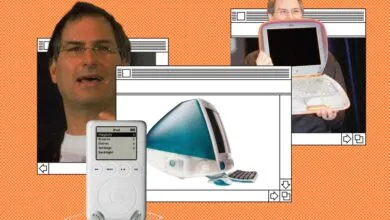
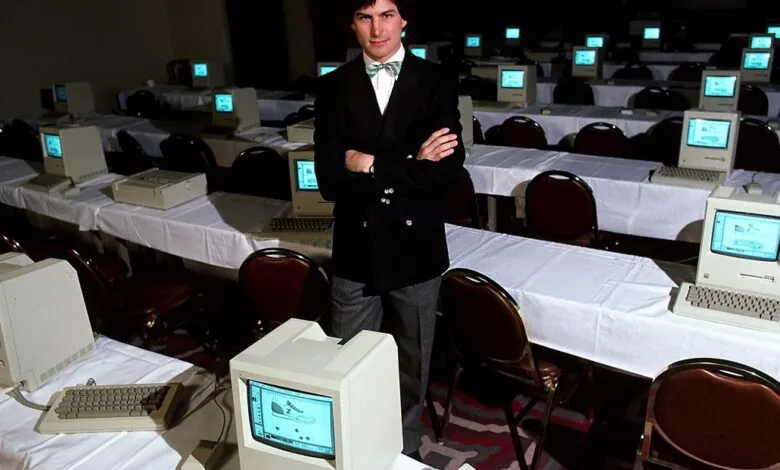
The story begins in an era of bow ties and audacious marketing, famously symbolized by the 1984 Super Bowl ad where a runner shattered the image of IBM. It winds through the years of colorful, translucent iMacs that brought style to computing, and it captures the enduring phenomenon of customers camping overnight for the latest release. Each chapter reveals a company constantly pushing the boundaries of design and consumer expectation.
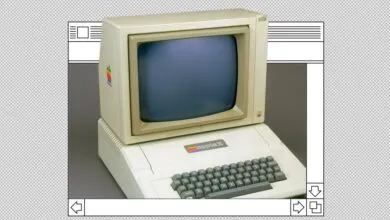
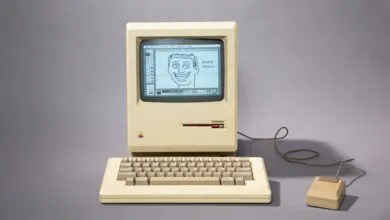
Early images show the Apple II, a machine that brought computing into homes and classrooms, often bearing the signature of co-founder Steve Wozniak. By the 1990s, Apple computers were tools for education and even scientific research aboard NASA’s Space Shuttle. The launch of the retail store in 2001 created a new kind of branded consumer experience, with employees cheering the first customers through the doors.
The introduction of the iPod revolutionized the music industry, creating a massive market for accessories and turning the white earbuds into a universal status symbol. Then came the pivotal moment in 2007, when Steve Jobs unveiled the iPhone. The frenzy was immediate, with lines forming around the globe; a first-generation model recently sold at auction for over $190,000. This device didn’t just succeed, it created an entirely new mobile ecosystem.
Following Jobs’s passing in 2011, tributes grew outside Apple’s headquarters, a testament to his profound legacy. The company continued to expand under Tim Cook, facing both cultural criticism and soaring demand. It cemented its status in China and celebrated new flagship stores in markets like Mumbai. Product launches evolved into spectacles at the spaceship-like Apple Park, introducing the Apple Watch and, more recently, the spatial computing Vision Pro headset.
Even in 2026, the cycle continues. Events unveil new products like a more affordable MacBook, while dedicated fans still travel across continents to be among the first to own the latest innovation. Through five decades, Apple has maintained a unique ability to command attention, drive trends, and inspire both devotion and debate, securing its place at the forefront of the digital age.
(Source: The Verge)