Switch 2 Boost Mode: The Battery Life Trade-Off You’ll Accept
▼ Summary
– Nintendo’s Switch 2 has a new “Handheld Boost Mode” that runs original Switch games at their docked quality while in handheld mode.
– This mode significantly improves the visual quality of many Switch 1 games, especially late-generation titles that were compromised in portable play.
– The trade-off is a substantial battery life reduction, with one test showing a 23% decrease when playing *Doom Eternal*.
– Despite the battery drain, the feature is widely praised as a major improvement, making the Switch 2 more appealing for revisiting older games.
– Nintendo released this impactful feature quietly, without any official announcement or fanfare.
Nintendo recently introduced a compelling new feature for the Switch 2, and early adopters are embracing it despite a significant catch. Handheld Boost Mode allows the console to run original Switch games at their docked performance levels, even when played portably. This means sharper resolutions, better textures, and smoother frame rates for a vast library of titles. The trade-off, however, is a substantial impact on battery life, a sacrifice many players are finding entirely worthwhile for the dramatic visual upgrade.
Testing reveals the exact cost of this enhanced performance. One user conducted a battery drain test using Doom Eternal, comparing standard handheld play to the new Boost Mode. The results were stark: over five hours of gameplay in regular mode dwindled to just under four hours with the feature enabled. This represents a battery life reduction of roughly 23 percent, a figure that could vary with different, more demanding games. For players relying on the Switch 2 during long commutes or flights, this is a crucial consideration.
Yet, the consensus among the community is that the trade is a good one. The visual improvements are not subtle. Many original Switch games, particularly later releases, were noticeably compromised in portable mode to conserve power. Titles like Xenoblade Chronicles 2 became infamous for their muddy, low-resolution handheld presentation. Boost Mode effectively erases these limitations, allowing these games to shine with the clarity and detail previously reserved for TV play.
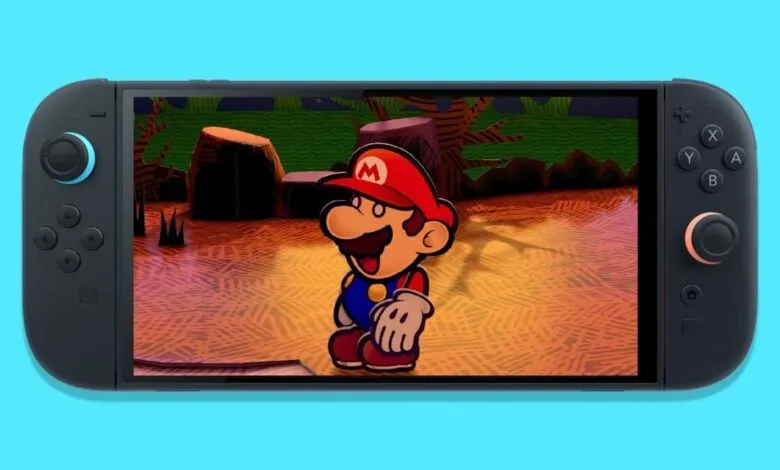
Social media is filled with side-by-side comparisons showcasing the transformation. Games such as Paper Mario: The Thousand-Year Door, Astral Chain, and even notoriously rough ports like The Witcher 3 exhibit dramatically cleaner image quality. The enhancement in anti-aliasing alone,smoothing out jagged edges,makes games look significantly more crisp and modern. For players revisiting the Switch’s extensive back catalog, this feature feels like a substantial free upgrade, breathing new life into familiar experiences.
The quiet, unannounced rollout of this feature has left many pleasantly surprised. It stands as one of the most impactful post-launch additions to the Switch 2, greatly increasing the value of its backward compatibility. While the battery hit is real, the payoff in visual fidelity is immediate and impressive, making Handheld Boost Mode an easy recommendation for anyone playing at home or during shorter trips. It sets a promising precedent for future system updates that could further leverage the new hardware’s capabilities.
(Source: Kotaku)