SteamOS 3.8 Update: New Features and Steam Machine Support

▼ Summary
– Valve has released SteamOS 3.8.0 in preview, which is the first version to support the upcoming Steam Machine living room gaming PC.
– The update introduces hibernation and “memory power down” modes for the Steam Deck LCD model to improve battery life during sleep.
– It adds a setting to use Bluetooth headset microphones in gaming mode and re-enables Bluetooth Wake for the Steam Deck LCD.
– The release includes significant desktop improvements like HDR, VRR support, and an updated KDE Plasma, plus automatic surround sound detection over HDMI.
– A major “Non-Deck” section offers broad support for other handhelds, including power button controls, power mode changes for the Xbox Ally, and display fixes for various brands.
The latest preview release of SteamOS 3.8.0 marks a significant step forward for Valve’s gaming platform, introducing crucial support for the upcoming Steam Machine and delivering a host of improvements for both its own hardware and a growing ecosystem of third-party handheld gaming PCs. This update directly addresses long-standing user requests and enhances the overall experience for living room and portable gaming.
A standout feature for many will be the introduction of genuine hibernation and a “memory power down” mode for the Steam Deck, starting with the LCD model. This change promises to significantly extend battery life during periods of inactivity, addressing a common point of comparison where some Windows laptops can outlast the Deck in sleep states. The addition of a proper hibernation mode is a major quality-of-life improvement that users have eagerly anticipated.
Another highly requested feature finally arrives in Gaming Mode: the ability to use Bluetooth headset microphones. While this functionality was added to the Linux desktop mode last year, its integration into the primary gaming interface removes a notable limitation for voice chat. Furthermore, the LCD Steam Deck sees the re-enablement of Bluetooth Wake, allowing players to power on a TV-connected Deck directly from a wireless controller.
The update brings substantial enhancements to the Linux desktop environment, which will be particularly beneficial for a Steam Machine connected to a monitor or television. These include support for desktop HDR, Variable Refresh Rate (VRR) displays, per-display scaling, and improved window management for games running through Proton. The underlying desktop experience is also upgraded to KDE Plasma 6.4.3. For home theater setups, the system can now automatically detect the number of audio channels available over an HDMI connection to properly enable surround sound.
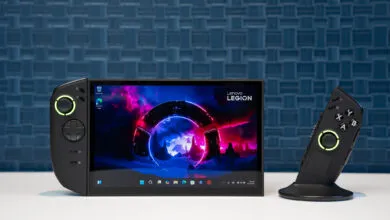
Perhaps the most telling aspect of this release is the extensive “Non-Deck” section of its changelog. Valve is clearly expanding its platform’s compatibility, with improved support for devices like the Asus ROG Ally, Lenovo Legion Go, OneXPlayer X1, and models from MSI, GPD, and others. Specific improvements include the ability to change power modes on the ROG Ally, functional night mode and color settings for AMD Z2 Extreme handhelds, and fixes for washed-out colors on certain OLED devices like those from Zotac and OneXPlayer. The update also introduces better video memory management for systems with discrete GPUs and a battery charge limit feature for the Lenovo Legion Go in desktop mode.
With a new Arch system base and updated graphics drivers underpinning these user-facing changes, SteamOS 3.8.0 preview represents a comprehensive update that strengthens Valve’s ecosystem for both its own devices and an increasingly diverse range of hardware partners.
(Source: The Verge)