Nothing Phone 4A Pro Review: Flagship Feel, Budget Price
▼ Summary
– The Nothing Phone 4A Pro is a $499 midrange phone featuring a new, high-end-feeling metal unibody design, a departure from the brand’s signature transparent plastic aesthetic.
– It boasts a large, very bright 6.83-inch display as a key selling point, but makes compromises like lacking wireless charging and having an IP65 rating, which is less resistant than rivals.
– The phone’s unique Glyph Matrix rear display is larger and brighter than before but is simpler, with fewer LEDs and no capacitive button, limiting its interactive functionality.
– While the camera system includes three lenses, the main 50MP sensor is only decent, and overall camera performance is generally outmatched by competitors like the Pixel and iPhone.
– The software offers a distinctive monochromatic Android skin and AI features, but the phone is only promised three years of OS updates, which is less than some rivals provide.
The Nothing Phone 4A Pro delivers a premium aesthetic and a brilliant display at a surprisingly accessible price point, making it a compelling contender in the competitive mid-range smartphone market. For $499, it offers a design language that feels distinctly high-end, largely due to a new aluminum unibody construction that marks a departure from the brand’s signature transparent plastic. While this shift may make the phone appear more conventional to some, it undeniably enhances the in-hand feel, presenting a device that looks and operates like it costs significantly more. However, this focus on style comes with several notable compromises in areas like camera performance, long-term software support, and features commonly found on rival devices.
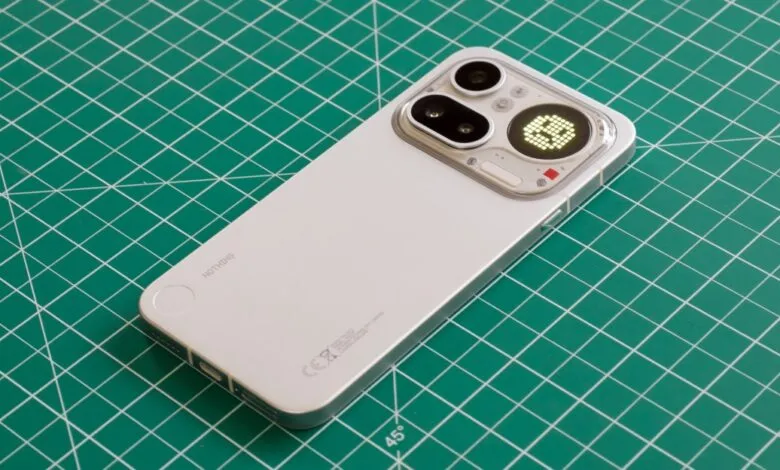
The most striking change is the move to a metal build. Available in silver, black, or a subtle pink, the aluminum frame gives the 4A Pro a sleek, thin profile of just 8mm. The only remnant of Nothing’s iconic transparent design is a curved cuboid on the rear that houses the camera lenses, plastic detailing, metal screws, and the signature Glyph Matrix display. This design pivot arguably makes the phone more mainstream, which likely influenced its launch in the U. S. market. The feel is unquestionably premium; metal simply conveys a sense of quality that plastic often struggles to match.
The Glyph Matrix on the back remains a unique identifier, though it is a simpler version than seen on previous flagship models. It features a larger and brighter dot matrix screen but with fewer LEDs (137 compared to 489 on the Phone 3). It also omits the capacitive button from its predecessor. The result is a display that is visually striking but functionally limited; it can show the time, battery level, and basic notification icons, but it lacks the interactive capabilities for games and mini-apps that earlier models offered.
On the software front, Nothing’s Android 16 skin continues to stand out with its minimalist, monochromatic aesthetic options. The company has added useful features like separate ringtones for dual SIMs, lockscreen widgets, and an enhanced dark mode. The commitment to only three years of Android OS updates feels disappointingly short in an era where five years is becoming standard, even if the phone is promised six years of security patches. AI features are plentiful, including a wallpaper generator and AI news summaries. The improved Essential Space function acts as a hybrid AI assistant and organizer, syncing event tickets, reminders, and notes across Nothing devices via cloud storage.
Where the Phone 4A Pro truly shines is its display. The 6.83-inch screen is not only large but exceptionally bright, reaching a peak of 5,000 nits, making it perfectly usable in direct sunlight. It also boasts a smooth 144Hz refresh rate. Beyond the screen, the specifications are competent but not class-leading. The Snapdragon 7 Gen 4 chip provides adequate performance but will trail behind competitors’ flagship processors. The 5,080mAh battery reliably lasts a full day, and the 50W wired charging is fast. Significant omissions include the lack of wireless charging and an IP65 rating that falls short of the IP68 water resistance offered by key rivals.
The camera system is a clear area of compromise. The triple-lens array includes a 50MP main sensor, an 8MP ultrawide, and a 50MP telephoto with a 3.5x optical zoom. The main camera takes decent daylight shots, though with a tendency toward overly vivid colors, but it struggles with challenging lighting, where competitors like the Pixel 10A consistently produce better results. The ultrawide is basic and poor in low light. The telephoto, while capable of some pleasing shots, uses a smaller sensor than last year’s model and can produce overexposed images or obvious AI artifacts, especially when using digital zoom beyond its optical range.
Ultimately, the Phone 4A Pro makes a strong case based on two pillars: unparalleled design and a superb screen. For buyers who prioritize a phone that looks and feels premium without the flagship price tag, it’s a standout option. However, choosing it means accepting trade-offs in camera versatility, long-term software support, and the convenience of features like wireless charging. It’s a device that confidently picks style, but requires you to be comfortable with that choice over the substance offered by its immediate competition.
(Source: The Verge)