Fix Zippers Instantly With This No-Sew Repair Trick
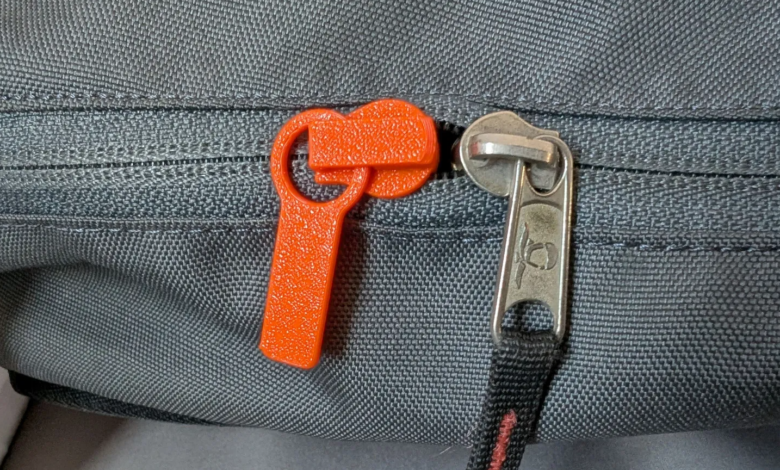
▼ Summary
– A 3D-printed zipper slider replacement is now feasible for most hobbyist printers, not just high-end ones.
– Its innovative split construction allows assembly directly onto a zipper without needing to unsew and resew the ends.
– The design files are in the accessible STEP format, which is widely supported by CAD and slicing software.
– The slider is available in various common sizes and both standard and reverse tooth-facing configurations.
– While less durable than metal, this print offers a handy repair, and a matching 3D-printed zipper box can also be replaced.
A broken zipper can be a major inconvenience, often rendering a favorite jacket or bag unusable. While a 3D printer may not be the most obvious tool for a quick fix, a clever design makes this repair not only possible but surprisingly accessible for most hobbyists. The key innovation lies in a split-construction slider that eliminates the need for any sewing, allowing for an instant repair without altering the original garment.
What makes this design so practical is its two-part assembly. Traditionally, replacing a zipper slider requires unpicking the stitching at the bottom of the zipper tape to free the ends—a time-consuming and skill-dependent task. This printed version sidesteps that entire process. The slider is designed in two halves that can be clipped directly onto the existing zipper teeth and then secured together. This approach dramatically simplifies the repair, making it a viable option for anyone with access to a 3D printer, regardless of their sewing ability.
The project files are provided in STEP format, which is a significant advantage for those who wish to customize the design. This universal CAD file type can be opened and modified in virtually any 3D modeling software, allowing users to tweak dimensions or adjust the design for a perfect fit. The growing support for native STEP file handling in common slicing software has made working with these editable files smoother than ever.
The designer offers the slider in multiple common sizes and in both standard and reverse configurations, covering the needs for most typical zippers found on clothing and gear. It’s acknowledged that a metal slider will generally offer greater long-term durability than a plastic one. However, the ability to quickly print a functional replacement part is an invaluable stopgap solution that can extend the life of an item immediately. For a more comprehensive repair, the same principle applies to other zipper components; the box end—the square piece at the bottom of the zipper—can also be replicated with a 3D printer if it becomes damaged or lost.
(Source: Hackaday)
