Samsung Galaxy S26 & S26 Plus Review: Familiar Formula
▼ Summary
– The Samsung Galaxy S26 and S26 Plus represent only minor, iterative updates over their predecessors, lacking any major new hardware features or a compelling reason to upgrade from recent models.
– Both phones have increased in price, with the base S26 starting at $899 and the S26 Plus at $1,099, while their designs remain largely unchanged except for a new oval camera island.
– The camera hardware is identical to the last several Galaxy S generations, producing competent but unexceptional photos with notable limitations in low-light and telephoto performance, despite a new effective horizontal lock video stabilization feature.
– Key spec upgrades are minimal, including slightly larger batteries, refreshed chipsets (with Exynos used outside the US), and faster wireless charging for the Plus model, but they notably lack magnetic Qi2 charging.
– The phones incorporate new AI features like an enhanced Circle to Search and a more capable Bixby, but these software additions are often inconsistent and many are expected to roll out to older devices.
For anyone considering Samsung’s latest mainstream flagships, the Galaxy S26 and S26 Plus feel like a case of déjà vu, offering only the most incremental of updates over their predecessors. This year’s models stick to a familiar formula, prioritizing minor spec bumps over groundbreaking innovation. While the new chipsets provide a performance lift and battery capacities see a slight increase, these phones lack a compelling hardware reason to upgrade, especially given their higher price tags. The absence of features like a privacy screen or magnetic Qi2 charging, which competitors are adopting, makes them feel like safe, predictable entries in Samsung’s long-running series.
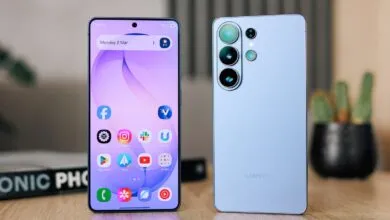
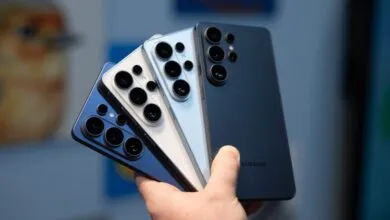
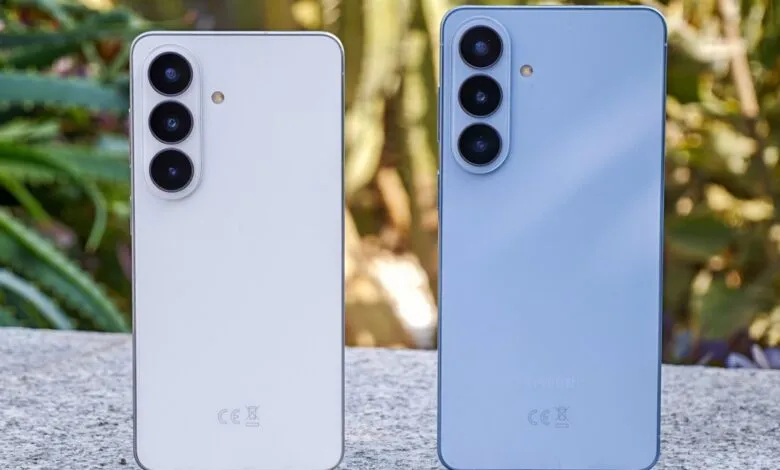
The design language remains virtually unchanged, with the most notable tweak being a new oval camera island that houses the same triple-lens array. The standard S26 has grown slightly to accommodate a larger 4,300mAh battery, which proved reliable in daily use, though it’s not class-leading. The most meaningful upgrade is reserved for the S26 Plus, which gains faster 20W wireless charging and 45W wired charging, distinguishing it from the smaller model’s 15W wireless and 25W wired speeds. Beyond that, the differences are minimal, with both phones sharing identical cameras and similar displays that lack the Ultra model’s privacy feature.
Photography continues to be a point of stagnation. Samsung has used the same primary camera hardware for several generations, and while computational photography extracts solid results in good light, the limitations are apparent. Low-light performance is average, with noticeable brightening and smudging around light sources, and telephoto shots can lack depth. The standout in the camera suite is the enhanced video stabilization, called Horizontal Lock, which effectively keeps footage level during dramatic movements, a boon for action videos, even if it introduces some artificial-looking artifacts.
The push for AI features is evident, though many feel borrowed from Google. Circle to Search is now more versatile, and a forthcoming, more proactive version of Gemini promises to handle tasks like ordering rides. Samsung’s own additions include AI photo editing and an upgraded Bixby for voice-controlled settings. This new Bixby is inconsistent; it can toggle simple settings like Dark Mode but fails at more complex system adjustments, highlighting the typical unreliability of current AI assistants.
Ultimately, these are competent phones that refine an established blueprint. However, for owners of an S23, S24, or S25, there’s little here to justify an upgrade. You won’t find a new camera system, revolutionary design, or must-have features like magnetic charging. You get a modestly better battery, a brighter screen, and a faster chip, alongside a higher price. In a competitive global market, this iterative approach risks leaving Samsung playing catch-up.
(Source: The Verge)