Samsung and Google Pixel’s Repeated Phone Case Mistake
▼ Summary
– The author criticizes Samsung and Google for a persistent flaw in their first-party silicone cases for Galaxy and Pixel phones.
– The main complaint is that the silicone material is excessively grippy, making the phones difficult to slide in and out of pockets.
– This issue is highlighted with the Samsung Galaxy S26 Ultra’s case and has also affected recent Google Pixel case generations.
– The problem frustrates users despite Google’s well-regarded color-matching of cases to phone colors.
– The author questions why both brands continue using this problematic material when it has been an annoyance for years.
While many smartphone users rely on protective cases, a persistent design flaw in first-party offerings from Samsung and Google continues to frustrate customers. These official cases, particularly for the popular Galaxy and Pixel lines, often represent some of the better-fitting options when a new device launches, despite their premium price tags. However, the market for these Android phones still lacks the extensive third-party variety seen for iPhones, making the manufacturers’ own accessories even more critical. This makes a recurring issue with their material choice all the more disappointing for those seeking a reliable, brand-approved solution.
The core of the problem lies in the silicone material both companies have adopted. While the material feels pleasant and secure when holding the phone, its extreme grip becomes a significant nuisance in daily use. The case is so tacky that sliding the device into or out of a pocket becomes a constant struggle. It often feels like you are pulling the entire pocket lining out with the phone, turning a simple action into an irritating chore.
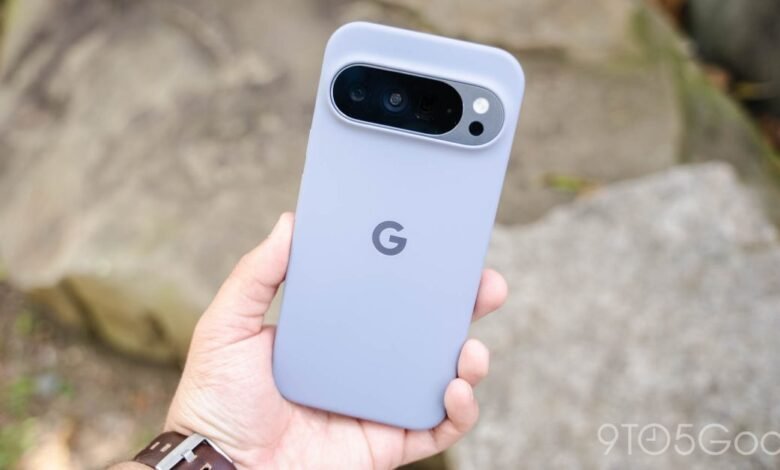
This has been a notable complaint with Google’s official Pixel cases for the last several generations. It’s especially unfortunate because Google excels at color-matching its cases perfectly to the phone’s finish. For instance, the appealing “Jade” case for the Pixel 10 Pro led to initial excitement, but that quickly turned to frustration for many users who found the pocket experience unbearable. The issue seemed like it might be a one-time misstep when it appeared on the Pixel 8 series, but it has persisted, albeit with minor improvements.
Samsung appears to have adopted a similarly problematic approach. Using the official silicone case on a device like the Galaxy S26 Ultra highlights the same flaw. The experience is arguably worse, with the grippy texture making pocketability a genuine hassle. It raises a simple question for both tech giants: why continue with a material that actively hinders the user experience? When customers invest in an official accessory, they expect a polished product that complements the device, not one that introduces a new daily annoyance.
This design choice stands in stark contrast to other aspects of their product development, where user experience is typically paramount. It suggests a disconnect between the design teams creating these cases and the practical reality of how people use their phones throughout the day. For a product meant to provide protection and confidence, creating a barrier to simple access is a fundamental oversight.
Beyond this case controversy, other major tech stories made headlines recently. Mobile World Congress 2026 showcased the latest industry innovations, while Nothing followed the event with the launch of its Phone (4a) series, presenting a compelling update to its distinctive lineup. Google also rolled out its latest monthly Pixel Drop, delivering new features and security updates to its devices.
In broader tech news, Apple announced a suite of seven new products, signaling another busy season for the company. In a more unusual legal move, Nintendo has filed a lawsuit against the U.S. government concerning import tariffs, a case some are following with keen interest. Meanwhile, Hyundai’s decision to remove the IONIQ 6 from its U.S. vehicle lineup has been finalized, leaving the future of several Kia electric models uncertain as the automotive industry continues to evolve.
(Source: 9to5Google)