Quad Cortex Mini: Full Power, Compact Size
▼ Summary
– For gigging and recording musicians, modeling devices may not fully satisfy and their value lies primarily as convenient, quiet practice tools.
– If the sonic differences from real hardware don’t matter, these devices offer exceptional value by simulating expensive gear collections at a lower cost.
– Recording guitarists working “in the box” might prefer cheaper software plugins instead of a hardware pedal, unless they practice or gig without a computer.
– Free, open-source software like the Neural Amp Modeler (NAM) provides a quality alternative, though most models are static captures of specific setups.
– Hardware and software modeling technology is a major benefit for all players, offering unprecedented access to accurately simulated gear for practice and exploration.
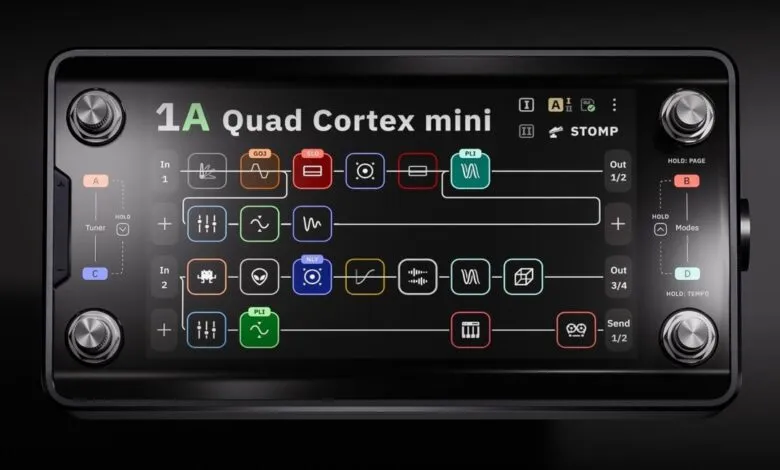
For guitarists seeking professional-grade tone in a portable package, the debate often centers on hardware versus software. The allure of a compact, powerful unit like the Quad Cortex Mini is undeniable for players who perform live or prefer a tactile, computer-free workflow. These devices deliver the full sonic capability of a massive gear collection in a single, gig-ready unit, representing a significant value compared to acquiring individual high-end amplifiers and effects. However, their true worth depends entirely on your specific needs as a musician.
If your primary focus is recording within a digital audio workstation, you might find a comprehensive software suite more practical and cost-effective. Numerous excellent plugin options exist, from Neural DSP’s own offerings to broader platforms, providing stunning amp and effect simulations directly inside your computer. For those on a tight budget, even free alternatives like the open-source Neural Amp Modeler (NAM) have gained a strong reputation for their impressive sound quality, thanks to a vibrant community of users sharing tone captures.
The critical question becomes whether you require dedicated hardware. For the gigging musician, a physical modeler is often indispensable. It provides reliability, immediate control under stage lights, and eliminates the need for a laptop on stage. The convenience and road-ready durability of a hardware unit like the Quad Cortex Mini can be a game-changer for active performers. Conversely, the home recordist who works exclusively “in the box” might achieve identical results with software alone, making a hardware purchase less essential.
Ultimately, the current state of modeling technology is a boon for all players. The accuracy and breadth of available tones, whether from a pedal or a plugin, provide unprecedented access to gear that would otherwise be financially or logistically out of reach. This allows hobbyists and pros alike to experiment with legendary amps and rare effects from their home studio. The best choice is simply the tool that fits your creative process, enabling you to focus on what matters most: making music.
(Source: Ars Technica)