Moss Evidence Convicts Chicago Cemetery Grave Robbers
▼ Summary
– In 2009, employees at Burr Oak Cemetery in Alsip, Illinois, were accused of exhuming old graves to resell plots and dumping remains elsewhere.
– The perpetrators were convicted in 2015, and new forensic research details how moss evidence from the case helped secure that conviction.
– A 2025 paper noted that mosses and bryophytes have been used as forensic evidence only about a dozen times in the last century.
– Researchers aim to raise the profile of mosses in forensics, as they are resilient plants that preserve timeline and habitat data useful for investigations.
– Burr Oak Cemetery, founded in 1927 for Chicago’s African American community, is the burial site of notable figures like Emmett Till and Dinah Washington.
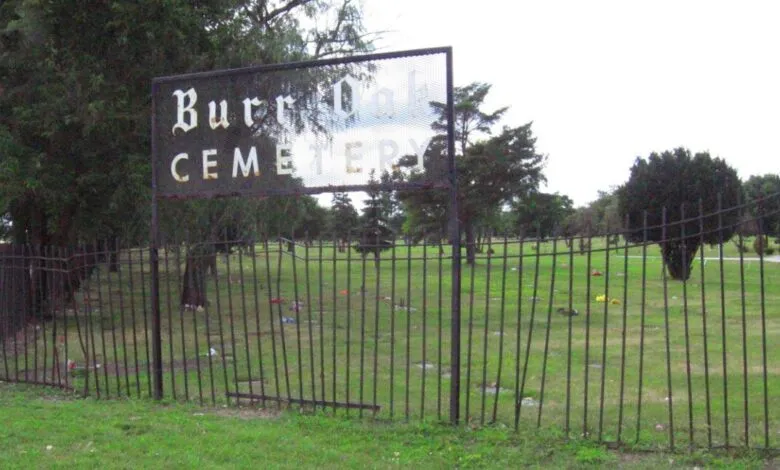
In a landmark case that shocked a Chicago community, moss and bryophyte evidence played a pivotal role in convicting cemetery workers of grave robbing. The 2015 convictions stemmed from a 2009 scandal at Burr Oak Cemetery in Alsip, where employees were found to have dug up older graves, discarded remains, and resold the plots. A new scientific paper now details how botanical forensic evidence, specifically the analysis of mosses recovered from the scene, helped secure those convictions. This research builds upon earlier work noting the rare but valuable application of these small plants in forensic investigations over the past hundred years.
Scientists involved in the study aimed to bring greater attention to these frequently ignored organisms. Mosses are common, hardy, and can lock in specific details about time and location, offering support to other forensic methods. The recent publications compile documented cases into the formal scientific record, with the goal of prompting investigators to more regularly identify and protect botanical evidence. The work also underscores how natural history collections hold untapped potential for solving modern questions, including criminal cases.
Burr Oak Cemetery was established in 1927 to serve as a dedicated burial ground for Chicago’s growing African American community, a population that expanded greatly in the early 20th century due to migration from the Southern United States. The site is the final resting place for notable figures including Emmett Till, boxing champion Ezzard Charles, and blues legends Willie Dixon and Dinah Washington.
The criminal scheme first came to light in June of 2009. The lead investigator on the local case later described visiting the cemetery and seeing human skeletal remains protruding from mounds of soil. Through interviews with employees and families of the deceased, authorities determined that old graves were being violated and original headstones removed to clear space for new, profitable burials. This grim discovery prompted the local sheriff’s office to contact the Federal Bureau of Investigation for assistance, launching a major investigation that would ultimately rely on an unusual form of proof gathered from the earth itself.
(Source: Ars Technica)