Why Fandom Discourse Feels So Cringe Right Now
▼ Summary
– Emily, a former Tumblr user, returned to the platform after a long absence due to the popularity of the series *Heated Rivalry*, which revitalized fandom spaces there.
– The show, based on a queer hockey romance series that originated partly as gay Marvel fanfiction, sparked a positive, communal reaction on Tumblr, reconnecting old friends.
– This positive Tumblr discourse contrasts sharply with the contentious backlash on X (formerly Twitter) surrounding a Vulture article analyzing the show’s popularity and “fujoshi” culture.
– Many fandom adherents migrated from Tumblr to platforms like Twitter and TikTok over the past decade, partly due to Tumblr’s 2018 ban on adult content.
– An expert notes that Tumblr’s adult content ban “seismically changed the internet,” fragmenting fandoms into separate, less interactive online worlds.
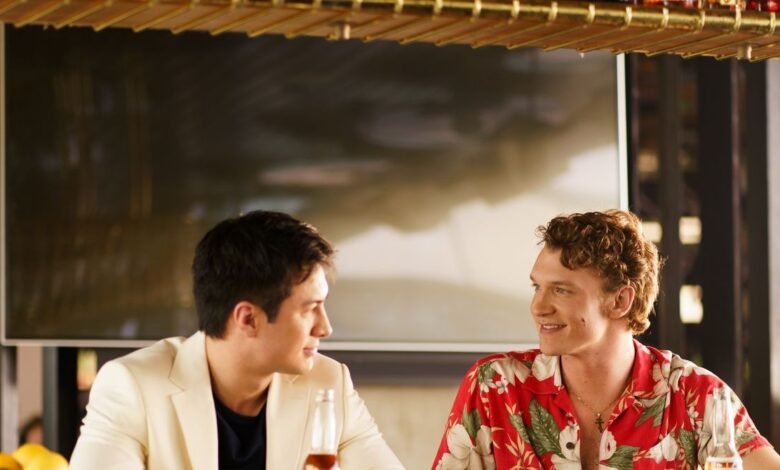
The current state of online fandom discussion often feels awkward and disconnected, a sentiment many attribute to the fragmentation of fan communities across different social media platforms. This shift from centralized hubs like Tumblr to more public spaces like X (formerly Twitter) has fundamentally altered how fans interact and debate. For someone like Emily, who recently returned to Tumblr after years away, the experience was a surprising homecoming. The explosive popularity of the series Heated Rivalry, a queer hockey romance that began as gay Marvel fanfiction, drew her and many old friends back to the platform, creating a sense of revitalized community she hadn’t felt in years.
Emily describes a welcoming atmosphere on Tumblr centered around shared excitement for the show. This stands in stark contrast to the contentious discourse unfolding on X. There, a Vulture article examining the show’s popularity and its connection to “fujoshi” culture, where women pair male characters together in romantic narratives, sparked a significant backlash. The online debate created a perceived conflict between media commentators and the show’s female fans, though this framing often misrepresents reality. Many culture reporters, including the author of the Vulture piece, have roots in fandom spaces themselves. The article explored questions of fetishization but ultimately framed fanfiction as a space for women to explore identity and desire. Despite this nuanced conclusion, subsequent reactions frequently oversimplified the discussion, with some backlash focusing intensely on a single linked fanfiction story that was later removed.
The migration of fans from Tumblr to platforms like Twitter, Instagram, and TikTok over the past decade is a key factor in this dynamic. Tumblr’s decline was accelerated by its 2018 ban on adult content, a policy enacted after Apple temporarily removed the app from its store. This decision drove away a significant portion of its user base, including many fan communities that engaged with erotic material. While Tumblr has since relaxed its rules to allow nudity, explicit content remains prohibited, and the diaspora of fans had already occurred. Amanda Brennan, a former Tumblr employee and fandom expert, notes this splintering effect. Fandoms are now widely dispersed across the internet, existing in separate worlds that rarely intersect, which changes the nature of communal discussion and often leads to misunderstandings when different groups collide. The intimate, insular culture of peak Tumblr has given way to a more public, performative, and often polarized form of fandom discourse.
(Source: Wired)