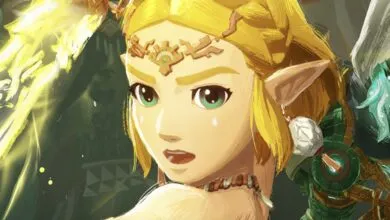
Zelda’s Sci-Fi Future: How Close Is It?
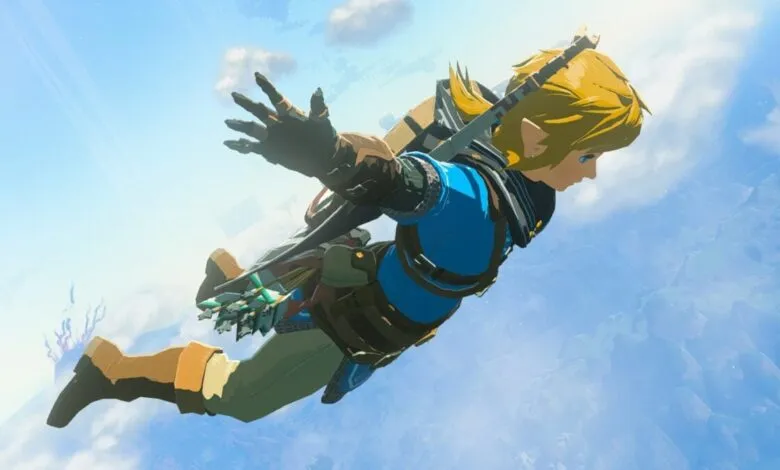
▼ Summary
– The Legend of Zelda series celebrates its 40th anniversary, having originated in 1986 on the Famicom Disk System.
– During Breath of the Wild’s development, a bizarre concept called “INVASION” was pitched, featuring an alien invasion, a modern-dressed Link, and sci-fi elements.
– Series creator Shigeru Miyamoto originally envisioned the franchise with a harder sci-fi and time-travel theme, an idea reflected in elements like the Sheikah Slate.
– Sci-fi influences have persisted in the series’ aesthetic, as seen in Breath of the Wild’s ancient Sheikah technology and otherworldly designs.
– Despite these historical flirtations with sci-fi, it is considered unlikely that Nintendo will fully send the series into space, as the company tends to conservatively manage its major IPs.
Celebrating four decades of adventure, The Legend of Zelda stands as a titan of high-fantasy gaming, yet its history is curiously intertwined with concepts far beyond Hyrule’s familiar forests and castles. While Link is synonymous with swords and sorcery, the series has repeatedly flirted with a radically different setting: science fiction. This tension between classic fantasy and futuristic ideas has simmered beneath the surface for years, revealing a creative lineage that nearly sent the hero on a very different kind of quest.
A fascinating glimpse into this alternate path emerged during a 2017 Game Developers Conference keynote. Art director Satoru Takizawa detailed an early, shelved concept dubbed The Legend of Zelda: INVASION. The proposal was audacious, featuring UFOs descending upon Hyrule, storyboards for alien autopsies, and even a version of Ganondorf sporting what looked like a band t-shirt. Most memorable was the proposed redesign of Link himself, envisioned not as a heroic knight but as a character clad in baggy jeans and a striped hat, complete with a guitar and a motorcycle. This bizarre detour showcased a willingness within the development team to push the iconic franchise into uncharted, almost surreal territory.
While INVASION never materialized, its spirit didn’t entirely vanish. The ancient Sheikah technology in Breath of the Wild carries a distinctly sci-fi aesthetic, from the mechanical, octopus-like Guardians to the glowing blue machinery and Link’s multifunctional Sheikah Slate, which functions much like a smartphone. This design choice creates a compelling juxtaposition, making the ruins feel less like magical archaeology and more like the remnants of an advanced, possibly extraterrestrial, civilization. The connection isn’t accidental; Takizawa himself linked the INVASION concepts to the otherworldly feel of these ancient devices.
This brush with sci-fi is not a modern anomaly. Series creator Shigeru Miyamoto has confirmed that the original concept for Zelda involved time travel, though not in the magical sense seen in Ocarina of Time. The initial idea leaned harder into science fiction, imagining a world where futuristic technology like microchips was the source of the Triforce’s power, creating a clash between medieval and advanced eras. Miyamoto even suggested that the Sheikah Slate in Breath of the Wild might be a subtle nod to this foundational concept. Evidence of this persistent theme exists in archival material, such as cyberpunk-inspired concept art for A Link to the Past that featured flying vehicles and a futuristic Princess Zelda.
After forty years of defining a genre, it seems improbable that Nintendo would radically pivot and launch Link into a full-blown space opera. The company tends to protect its core franchises carefully, especially as they expand into films and theme parks. Yet, the persistent recurrence of these ideas among developers, from the earliest pitches to recent brainstorming sessions, suggests an enduring fascination. The creative minds behind Hyrule have repeatedly dreamed of casting their hero against the stars. While the tunic and Master Sword remain iconic, the history of The Legend of Zelda proves that its developers have always seen a universe of possibilities, some of which point directly toward the final frontier.
(Source: Kotaku)