Artemis II Moon Mission Launch Delayed Again by NASA
▼ Summary
– NASA has postponed the Artemis II crewed lunar flyby mission to April due to a problem with the rocket’s helium flow system in the Space Launch System.
– The specific technical issue is an interruption in the helium flow needed to purge engines and pressurize fuel tanks, which occurred during a routine operation after successful dress rehearsals.
– The mission has faced previous setbacks, including hydrogen leaks during an earlier test that were resolved, but this new helium issue requires repairs in the Vehicle Assembly Building.
– NASA aims to preserve the April launch window if repairs and schedule alignment allow, but the final decision depends on data and repair progress in the coming days.
– The Artemis II mission is crucial for demonstrating NASA’s technical capability to return humans to the moon, as it will send the Orion capsule farther than any previous crewed spacecraft.
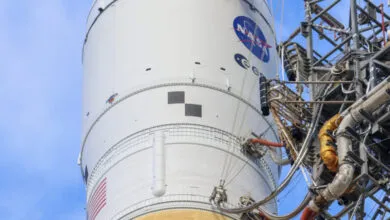
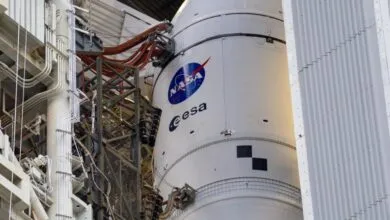
NASA has announced another delay for the Artemis II crewed lunar flyby mission, shifting the launch window to April. The agency identified a technical issue with the rocket, specifically a disruption in the helium flow within the interim cryogenic propulsion stage of the Space Launch System. This system is vital for engine purging and fuel tank pressurization. While it performed correctly in two recent dress rehearsals, the failure emerged during a standard operational procedure.
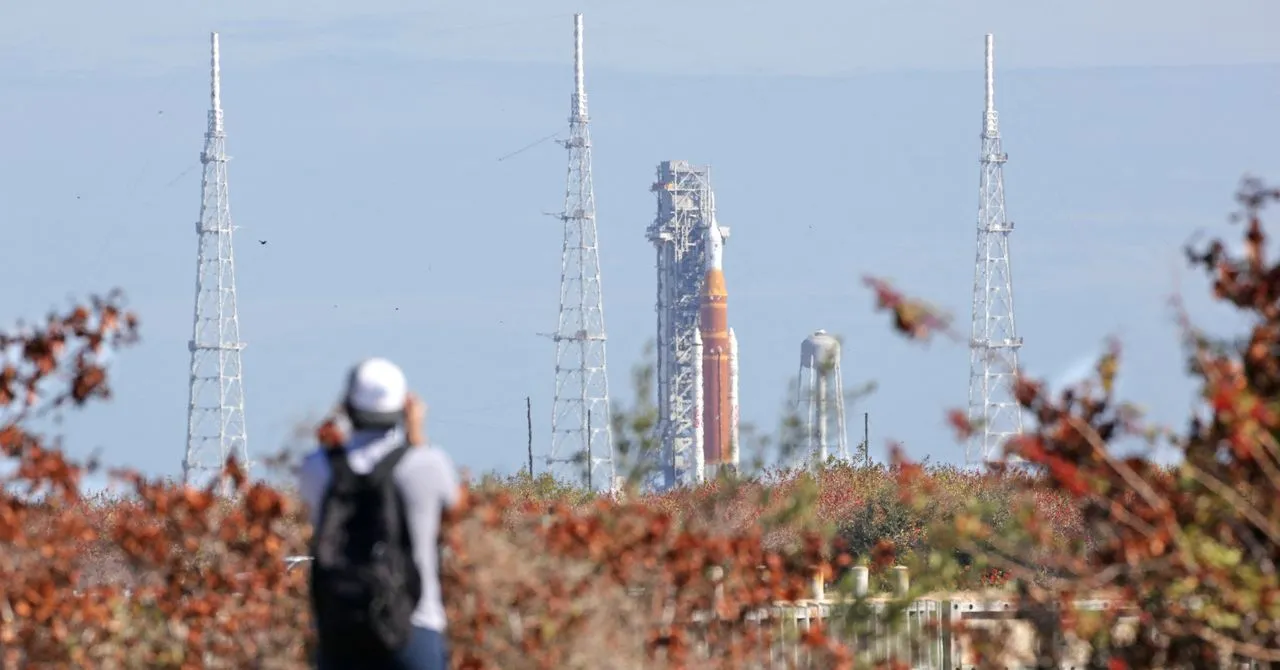
Due to the complexity of the repair, engineers must address the problem within the Vehicle Assembly Building, making the previously considered March 6 launch date unfeasible. The rocket is now en route back to the hangar for this work. NASA Administrator Jared Isaacman acknowledged public disappointment, emphasizing that the team shares this sentiment. He reflected on the historical context of space exploration, noting the many setbacks encountered during the Apollo era while reiterating the ambitious long-term goals of the Artemis program.
Whether Artemis II can launch in April remains uncertain. NASA officials indicated that swift preparations might allow the agency to preserve that window, but the final decision hinges on repair progress, data analysis, and schedule alignment in the coming weeks.
The mission has faced several challenges. An initial launch window in early February was postponed after a wet dress rehearsal revealed small hydrogen leaks and minor technical issues. NASA deemed the associated risks to astronaut safety too considerable to proceed. A second rehearsal on February 19 was successful, with teams loading 700,000 gallons of liquid propellant without any leaks. This success bolstered confidence in newly installed seals and procedures.
However, the helium flow issue surfaced on February 20, mirroring a problem encountered during testing for the uncrewed Artemis I mission. Investigators suspect a faulty component, such as a filter, valve, or connector plate. Isaacman stressed that modern expectations are rightly high given the program’s investment, but the ultimate vision extends far beyond a single mission. The goal is to establish a sustained lunar presence, including a Moon base and regular missions.
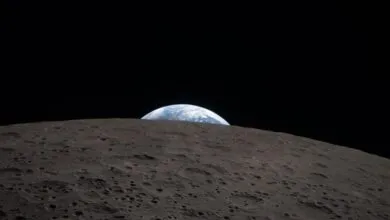
Upon its eventual launch, the Orion spacecraft will embark on a roughly 10-day journey, venturing farther from Earth than any crewed vehicle in history. Around the sixth day, it is set to break the distance record of 400,171 kilometers set by Apollo 13. The mission will conclude with Orion splashing down in the Pacific Ocean near San Diego.
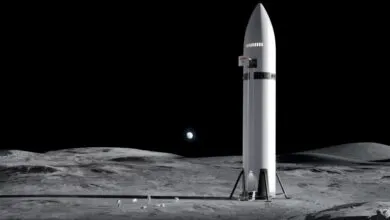
While Artemis II will not land on the lunar surface, a milestone reserved for the subsequent Artemis III mission, its success is critically important. A successful flight will demonstrate NASA’s restored technical capability for human deep-space exploration and validate the systems needed to return astronauts to the Moon, paving the way for a new chapter of sustained lunar exploration.
(Source: Wired)