Can Apple’s iPhone Fold Succeed Where Google Pixel Failed?
▼ Summary
– The Android foldable market initially settled into two main form factors: clamshell flip phones and tall, book-style devices like the Samsung Galaxy Z Fold.
– Oppo’s Find N and later Google’s Pixel Fold pioneered a different, wider, and shorter “stubby” form factor that offered a more tablet-like inner display.
– This wider form factor ultimately struggled because many Android apps at the time were not optimized for its aspect ratio, creating a poor user experience.
– Apple’s upcoming iPhone Fold is expected to revive this wider form factor, potentially succeeding where Google failed due to Apple’s stronger influence over developer app adaptation.
– In reaction to Apple’s move, Android brands like Samsung, Honor, and Oppo are now rushing to develop their own wide foldables again, despite having previously abandoned the design.
The world of foldable smartphones has largely settled into two familiar shapes, but a significant shift appears imminent. Apple’s anticipated entry into the foldable market with the so-called “iPhone Fold” is poised to resurrect a design that Android manufacturers, including Google, previously abandoned. This revival hinges on a critical factor where Apple holds a distinct advantage, potentially allowing it to succeed where others stumbled.
In the early experimentation phase of foldables, several form factors emerged. While Samsung popularized a tall, narrow design, other companies explored different approaches. Oppo notably introduced a distinct, compact booklet-style device with the original Find N. This phone featured a shorter, wider outer screen that unfolded into a more tablet-like interior display, offering a unique user experience. Oppo refined this concept with the Find N2, creating a highly regarded piece of hardware.
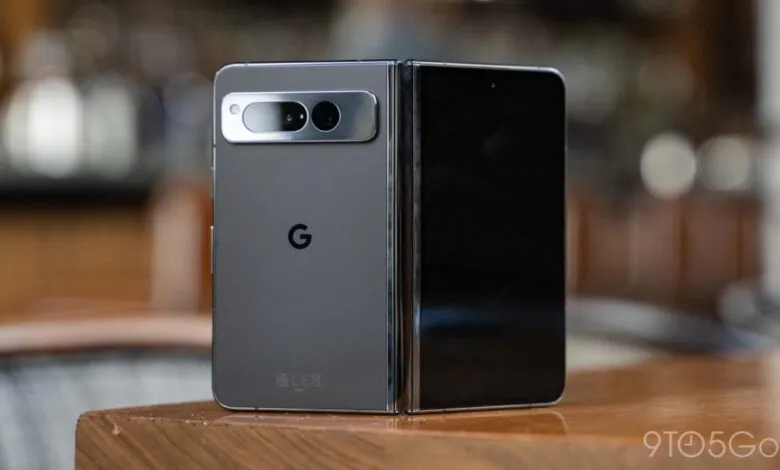
Google later entered the arena with the Pixel Fold, adopting a similar philosophy. It expanded on Oppo’s compact blueprint, offering a pocketable device that opened to a generous, wide canvas. This aspect ratio was excellent for media and provided apps more horizontal space to utilize tablet-optimized layouts. Despite some hardware flaws, the Pixel Fold delivered a compelling vision for a foldable future. However, its timing was ultimately problematic.
The primary challenge for this wider form factor was not hardware, but software. Android apps at the time struggled to adapt consistently to the unique display proportions. While some apps worked beautifully, many others became awkward or nearly unusable on the wider inner screen. In contrast, Samsung’s taller, narrower Galaxy Z Fold design, though criticized for its cramped outer display, generally offered better app compatibility. The ecosystem simply wasn’t ready for that particular canvas.
Google has since made substantial efforts to improve Android’s adaptability for various screen sizes, a push crucial for foldables and future form factors. Had this initiative occurred years earlier, the landscape might look different. Google itself confirmed that shifting away from the Pixel Fold’s design for its successors was due to app compatibility issues, conceding that the broader Android ecosystem wasn’t prepared for that hardware.
Now, Apple is reportedly preparing to launch its own foldable iPhone, with leaks suggesting it will closely mirror the wider aspect ratio championed by the Pixel Fold. The concept seems straightforward: an iPhone that unfolds into an iPad. This move raises the question of why Apple might succeed where Google did not.
The answer lies in Apple’s unparalleled influence over its developer ecosystem. While Google often faces a gradual, fragmented adoption of new standards across Android, iOS developers typically adapt quickly to hardware changes mandated by Apple. New iPhone and iPad screen sizes have historically seen swift software support. Apple builds devices, and the app ecosystem is compelled to follow, a dynamic that could prove decisive for a new foldable form factor.
Intriguingly, Apple’s rumored plans are already causing a ripple effect among Android brands. Samsung is said to be developing a “Wide Fold,” Honor is working on a similar device, and Oppo, the original pioneer of the shape, is expected to return to it with the Find N7. This sudden renewed interest, following years of abandonment, highlights a reactive pattern in the industry.
Whether this second attempt at wider foldables will thrive is an open question. Android app support for larger, flexible displays has improved significantly since the Pixel Fold’s debut. These advancements should benefit new devices adopting the form factor. However, the foldable market remains a niche. It seems unsustainable for every manufacturer to produce two distinct foldable models annually. The likely outcome is market segmentation, with some brands sticking to established designs and others committing to the wider format.
The situation underscores a recurring theme where Android manufacturers, after initially innovating, sometimes retreat only to revisit ideas once Apple signals market validation. This dynamic raises questions about long-term strategy versus reactionary moves. The success of wider foldables this time around will depend heavily on whether the app experience has finally caught up to the hardware ambition.
(Source: 9to5Google)