Artemis II Moon Mission Gains Momentum for March Launch
▼ Summary
– A successful second fueling test of NASA’s SLS rocket has given managers confidence to target a launch for the Artemis II mission as soon as March 6.
– The test resolved a major hydrogen leak issue from the first attempt by replacing seals, allowing the rocket to be fully fueled on schedule.
– NASA officials caution that significant work remains before the launch, which is tentatively set for an evening window on March 6, with backup dates in March and April.
– The mission has specific monthly launch windows dictated by the Moon’s orbit, trajectory needs, and environmental constraints.
– Artemis II will send four astronauts on a 9-10 day trip around the Moon, setting a distance record and marking the first human flight to lunar vicinity since 1972.
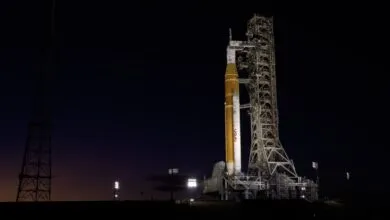
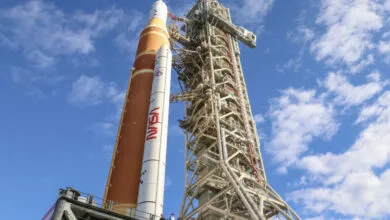
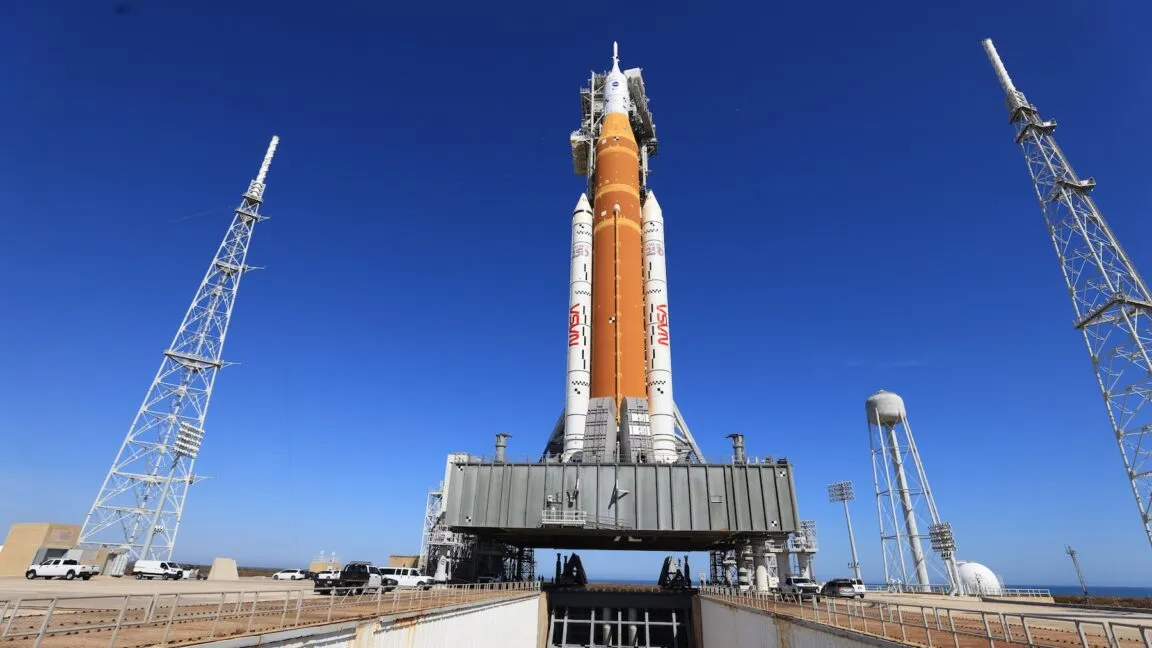
The Artemis II mission is now firmly on track for a potential launch as early as March 6, following a successful second fueling test of NASA’s powerful Space Launch System rocket. This critical milestone, achieved Thursday night at Kennedy Space Center in Florida, provided mission managers with the confidence needed to proceed toward sending four astronauts on a historic journey around the Moon. The test, known as a Wet Dress Rehearsal, proceeded without the major hydrogen leaks that plagued an earlier attempt in February, allowing teams to fully fuel the massive rocket within the planned timeline.
During the first attempt on February 2, technicians encountered a persistent leak of hydrogen gas from the rocket’s main fueling line. This issue forced NASA to abandon a series of potential February launch dates. Engineers responded by replacing seals at the launch pad, a fix that performed well during the latest test. “For the most part, those fixes all performed pretty well yesterday,” stated Lori Glaze, NASA’s acting associate administrator for exploration programs. “We were able to fully fuel the SLS rocket within the planned timeline.”
While the successful test is a major step forward, officials emphasize that significant work remains before a launch can be confirmed. “We’re now targeting March 6 as our earliest launch attempt,” Glaze noted, adding a caveat. “I want to be open, transparent with all of you that there is still pending work. There’s work, a lot of forward work, that remains.” If all remaining tasks are completed, the launch window for Artemis II opens at 8:29 pm EST on March 6, lasting for two hours. NASA has identified backup opportunities on March 7, 8, 9, and 11. Should the mission miss these dates, the next series of launch windows would not open until April, as the flight plan depends on specific orbital positions of the Moon, trajectory requirements, and thermal conditions.
The planned mission will last approximately nine to ten days. The crew, commander Reid Wiseman, pilot Victor Glover, and mission specialists Christina Koch and Jeremy Hansen, will travel aboard the Orion spacecraft. Their flight path will take them around the far side of the Moon before returning to Earth for a splashdown in the Pacific Ocean. This journey will set a new record for the farthest distance humans have ever traveled from our planet. Artemis II will also mark the first time people have flown to the vicinity of the Moon since the final Apollo mission in 1972, paving the way for future lunar landings.
(Source: Ars Technica)