Inside NetEase: A Rare Studio Visit to A Sea of Remnants
▼ Summary
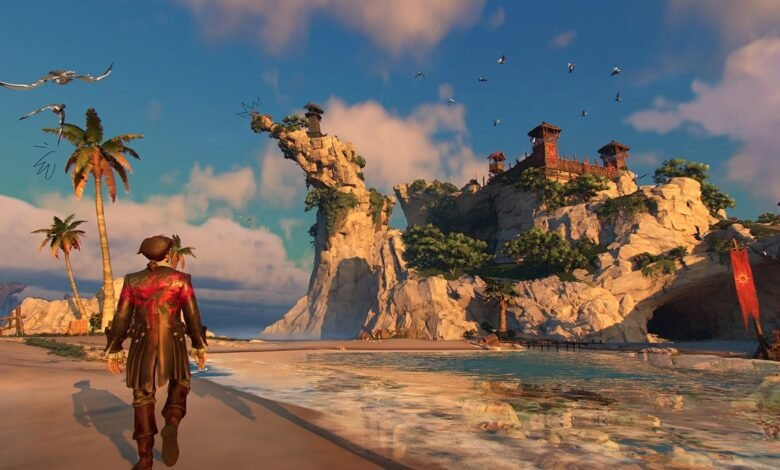
– Sea of Remnants is a free-to-play pirate RPG from Joker Studio and NetEase, representing their latest attempt to create an international hit following the model of successful Chinese live-service games.
– The game, in development for nearly seven years, combines a character-rich town hub with minigames and a vast open sea for exploration, turn-based combat, and puzzles.
– Its character design draws on global influences like Pirates of the Caribbean and One Piece, aiming for a worldwide audience, and the studio collaborates with international artists.
– The project is heavily informed by the Chinese market’s monetization strategies, which extend beyond the game to real-world merchandising, brand collaborations, and blind boxes, as proven by the studio’s prior title, Identity V.
– Developed at NetEase’s massive in-person campus in Hangzhou, the game’s creation benefits from the conglomerate’s scale and resources, though the team states AI is not currently used in its development despite NetEase’s investments in the technology.
The global gaming landscape is witnessing a significant shift as Chinese developers like NetEase aim for worldwide audiences with ambitious titles. Sea of Remnants, a pirate-themed RPG from Joker Studio, represents this strategic push, blending a distinctive artistic vision with a comprehensive plan for monetization that extends far beyond traditional in-game purchases. This approach reflects the evolving nature of the industry, where creating a compelling universe is just the first step in building a lasting franchise.
During a visit to NetEase’s expansive Hangzhou campus, the sheer scale of the operation becomes immediately clear. The facility functions almost as a self-contained city, housing thousands of employees who work in-person across the company’s diverse ventures, from gaming to e-commerce. This environment fosters a unique culture of collaboration. The creative director, known as Alfie, emphasized the benefits of such a large, integrated campus, noting that shared spaces and communal dining encourage an open-minded atmosphere crucial for innovation. The campus itself offers extensive amenities, including sports facilities, themed cafes, and on-site delivery for company products, underscoring a focus on employee welfare and immersion in the NetEase ecosystem.
Sea of Remnants itself is the product of nearly seven years of development, conceived as a vast experience split between two core components. Players can explore the bustling town of Orbtopia, filled with hundreds of characters and various mini-games, or set sail into an open sea ripe with exploration, turn-based combat, and puzzles. The game’s international ambitions are most evident in its character design. Lead artist Kairos explained the team’s goal to reinvent the pirate archetype, drawing inspiration from global sources like Pirates of the Caribbean and One Piece while aiming for a stylish, trendy aesthetic. This global outlook is further reinforced by collaborations with renowned Japanese artists and illustrator Ashley Wood.
A critical aspect of the game’s strategy involves generating revenue through channels outside the software itself. In China’s massive free-to-play market, successful titles often leverage nationwide character recognition into substantial merchandising opportunities. This includes pop-up stores, brand collaborations, and especially the phenomenally popular blind box collectibles. Joker Studio’s previous title, Identity V, served as a testing ground for these strategies, with partnerships extending to products like bottled tea available in convenience stores nationwide. The team has learned that crafting relatable characters with deep backstories, like a messy pirate captain with a tragic romantic history, can drive player investment in physical merchandise, creating a vital revenue stream separate from in-game spending.
While these external monetization avenues are planned for Sea of Remnants, the current focus remains on the upcoming beta. Alfie confirmed that real-world events and merchandising are under consideration for future expansion, noting their importance for long-term viability, as seen in other live-service games. The studio is careful to state that not every design decision is made with monetization in mind, but a successful launch would naturally lead to a broader franchise ecosystem.
An interesting note surrounds the use of artificial intelligence. Although NetEase has a dedicated AI division credited in the game’s opening, the Joker Studio team insists AI was not used in Sea of Remnants’ development. They have experimented with the technology and see potential for future assistance in specific pipelines, but they believe the complex, professional procedures of game development are not yet ready to be replaced by AI.
The development of Sea of Remnants illustrates the maturation of China’s games industry. Shaped by historical factors like console bans, the market has become a powerhouse for perfecting the free-to-play model, creating expansive AAA-scale experiences designed to captivate players and inspire them to engage with the brand in the physical world. With its grand scope and global ambitions, Sea of Remnants stands as a testament to how far this approach has come, signaling a new chapter for its developers and the industry at large.
(Source: Games Industry)