Gradient’s Smart Heat Pumps Retrofit Old Buildings
▼ Summary
– Many old urban buildings have inefficient, uncomfortable heating and cooling systems originally designed around outdated boiler technology.
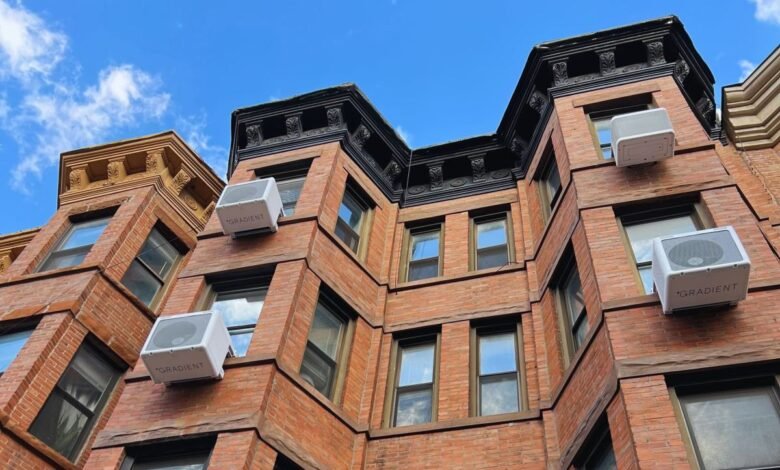
– Gradient and similar companies are addressing this with window-mounted, horseshoe-shaped heat pumps that provide both heating and cooling without blocking views.
– Gradient’s new Nexus software links these individual units in multifamily buildings, allowing centralized management to set energy usage limits and prevent overconsumption.
– The system is a low-cost retrofit option that avoids major electrical upgrades and can also provide air conditioning to units that previously only had steam heat.
– Gradient is developing grid-responsive features to reduce energy demand during peak times, aiming to support broader electrification without overloading the grid.
Many older urban buildings, particularly in cities like New York, present a unique climate control challenge. Constructed decades ago with now-archaic boiler systems, these structures often struggle to maintain consistent, comfortable temperatures for residents. A new wave of innovation is tackling this problem head-on with modern heat pump technology designed specifically for retrofits. Gradient is one company making waves with its unique window-mounted heat pumps, and its latest advancement, a system called Nexus, aims to intelligently link every unit in a multifamily building.
Unlike traditional window air conditioners, Gradient’s horseshoe-shaped design doesn’t block the view and provides both heating and cooling. The real breakthrough, however, lies in the Nexus software. This platform connects all the individual heat pumps in a building, granting property managers unprecedented oversight and control. This is crucial for older buildings that frequently operate on a single electric meter, a setup that can lead to excessive and costly energy use as residents try to adjust their own comfort.
Nexus allows managers to set practical guardrails, like a maximum heating temperature, to prevent overuse without sacrificing resident comfort. The results can be dramatic; in one case, implementing a 78˚F heating limit reduced the next day’s energy consumption by twenty-five percent. For buildings with aging boilers nearing the end of their lifespan, this system offers a compelling and cost-effective upgrade path. It also brings a valuable bonus: air conditioning to apartments that previously only had steam radiators, a critical feature as heat waves become more intense and frequent.
The installation process itself is designed for simplicity and speed. Because the units fit in a window like a traditional AC, retrofits can be completed in hours without the need for major electrical upgrades. The Nexus software adds another layer of grid-friendly intelligence. In buildings with older wiring that cannot support a full electrical load, the system can dynamically reduce the power draw from individual units. Gradient is also developing capabilities to help stabilize the broader power grid. On days of peak demand, the system could subtly adjust settings across connected heat pumps, prioritizing units in shadier areas, for example, to collectively reduce strain without occupants noticing a change in comfort.
This approach addresses a common concern about the large-scale electrification of heating. Vince Romanin, Gradient’s chief technology officer, argues that smart technology is the key. He believes it is entirely possible to electrify building systems in a way that actually makes the grid’s job easier and energy more affordable, turning a potential infrastructure burden into a manageable asset. The company is already deploying its technology in partnerships with public housing authorities and affordable housing complexes, pointing toward a future where older buildings can be both more comfortable and more efficient.
(Source: TechCrunch)