The Perfect Folding Phone Is Still a Dream
▼ Summary
– The author tested the Google Pixel 10 Pro Fold and Samsung Galaxy Z Fold 7, using them as portable computers for tasks like blogging and shopping in situations where a laptop was impractical.
– The Pixel 10 Pro Fold is heavy but offers helpful Qi2 magnets for grips and a full IP68 dust/water resistance rating, making it durable for travel.
– The Galaxy Z Fold 7 is significantly lighter and more comfortable to carry, but it lacks full dust resistance and integrated magnets, requiring cases for those features.
– The author prefers the Pixel’s clean Android software but values Samsung’s more flexible multitasking interface for the large inner screen.
– While impressed by the real-world utility of folding phones, the author concludes that the ideal device would combine the Pixel’s durability and magnets with the Z Fold’s lightweight design.
The promise of a book-style folding phone is compelling: a single device that seamlessly transitions from a pocketable smartphone to a capable mini-tablet, effectively replacing the need to carry both a phone and a laptop for many tasks. This vision has moved closer to reality, yet after extensive testing with two leading models, it’s clear the ultimate all-in-one foldable remains just out of reach. The current market offers impressive devices like the Google Pixel 10 Pro Fold and the Samsung Galaxy Z Fold 7, but each excels in different areas, forcing a frustrating compromise between durability, weight, and design elegance.
In practical use, these large inner displays are transformative. They provide ample space for multitasking, whether that’s drafting a blog post on a flight, managing a grocery list with multiple apps open, or catching up on videos. The experience pushes these devices firmly into territory traditionally held by laptops, with largely excellent results. However, this intensive use highlights their distinct strengths and weaknesses, cementing the belief that the ideal device would blend the best features of both.
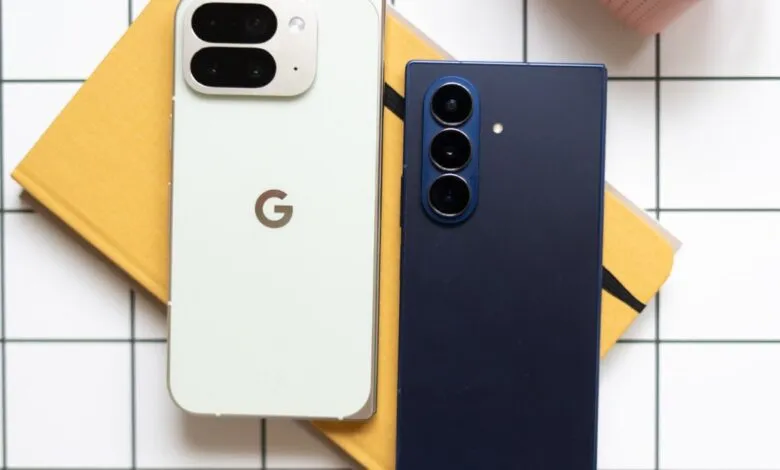
A significant hurdle is physical heft. Combining two displays inevitably creates a heavier device. The Google Pixel 10 Pro Fold feels substantial in the pocket, a constant reminder of its presence. Google mitigates this with a clever integration of Qi2 magnetic technology, allowing for easy attachment of magnetic grips or stands. Using a ring grip makes prolonged one-handed use more manageable and even serves as a makeshift stand, a feature that feels essential for a phone aspiring to be a tablet. More crucially, the Pixel fold boasts a full IP68 rating for dust and water resistance. This provides genuine peace of mind for daily use, especially in environments where pocket sand or bag debris are real threats, making it a reliable travel companion.
In search of a lighter carry, the Samsung Galaxy Z Fold 7 presents a compelling alternative. Its remarkably slim and lightweight design is a revelation; it weighs only a bit more than a conventional smartphone, a difference profoundly felt in everyday handling. However, this sleekness comes with trade-offs. The device lacks the Pixel’s comprehensive dust resistance, being sealed only against larger particles, which introduces a subtle layer of anxiety. It also omits built-in Qi2 magnets. While Samsung offers slim cases that add a magnetic ring, adding any case feels contrary to the phone’s core design philosophy of minimalist thinness. The need for a simple, removable stand is apparent, not only for comfortable viewing but also to counteract the wobble caused by the camera module when the phone is laid flat.
Software experience further divides the two. The Pixel offers a clean, straightforward version of Android, while Samsung provides superior flexibility for multitasking on the expansive inner screen. Fortunately, Samsung’s software can be tailored, installing a preferred keyboard and removing bloatware creates a much more pleasant, personalized experience than the out-of-the-box setup.
This isn’t mere complaining about expensive gadgets. The critique stems from seeing immense potential. These are no longer just cool novelties; they have proven their real-world utility. One can genuinely write a full article, manage complex tasks, or publish content from anywhere, all on a device that fits in a pocket. The dream is a single foldable that merges the Pixel’s rugged IP68 durability and magnetic convenience with the Z Fold 7’s sleek, lightweight profile and versatile software. Until that convergence happens, the perfect folding phone remains a tantalizing, unfulfilled promise.
(Source: The Verge)