Nintendo Boss on Switch 2 Price Hike: ‘Cannot Comment on Hypotheticals’

▼ Summary
– The Nintendo Switch 2 has successfully launched with new franchise games and demanding ports, but faced criticisms over its Game-Key Card and console shortages, especially in Japan.
– Nintendo’s president addressed concerns about potential price increases due to rising memory costs, stating current contracts protect finances but the situation requires close monitoring.
– A global memory shortage, driven by high demand from AI chip manufacturers, is causing price increases and could impact future consumer electronics supply.
– Future Switch 2 software will include both new entries in popular series and completely original titles, with specific games like Mario Tennis Fever and a new Yoshi title announced for 2026.
– The Switch 2 offers hardware improvements and new features like GameChat and enhanced Joy-Con functionality, which future exclusives are expected to utilize.
The Nintendo Switch 2 has solidified its position in the gaming market, successfully delivering both beloved franchise entries and impressive ports of demanding titles. This performance demonstrates a clear generational leap in capability. As the console moves into its second year, attention is turning toward its future roadmap and potential market challenges. Nintendo president Shuntaro Furukawa recently addressed these topics, offering cautious insights while skillfully avoiding firm commitments on sensitive issues like potential price adjustments.
A key concern among industry observers involves the possibility of a price increase for the Switch 2. Global economic factors and, more specifically, rising memory costs have fueled these speculations. The surge in demand for high-performance memory, driven largely by the needs of major AI chip manufacturers, has created a strained supply chain. Reports indicate that a significant shortage of RAM could materialize by 2026, putting pressure on all consumer electronics sectors.
When questioned about this, Furukawa provided a measured response. He stated that Nintendo’s existing inventory and supplier contracts currently shield its financial performance from immediate impact. Nevertheless, he emphasized the company is vigilantly monitoring the volatile situation. On the direct question of whether consumers might face higher prices, the president offered a classic corporate deflection, remarking that he “cannot comment on hypotheticals.” This statement leaves the door open to all possibilities while committing to nothing.
The memory market dynamics are complex. With tech giants like Nvidia and Google prioritizing AI development, they command first access to essential components. This has led primary memory vendors, including Micron, to strategically reallocate portions of their supply away from the consumer PC market to serve the high-demand AI and server sectors. This shift naturally contributes to rising costs industry-wide, a trend Nintendo cannot ignore indefinitely.
Looking beyond hardware costs, Furukawa also teased the software pipeline for the Switch 2. He promised that development is underway on “popular series titles that many fans are waiting for, as well as completely new software.” This hints at a balanced future lineup. Fans have notably been anticipating a new mainline The Legend of Zelda entry, and while Furukawa did not name specific titles, his comments align with recent hints from series producer Eiji Aonuma. The confirmed schedule for 2026 includes Mario Tennis Fever in February and Yoshi and the Mysterious Book later in the year, with more announcements expected soon.
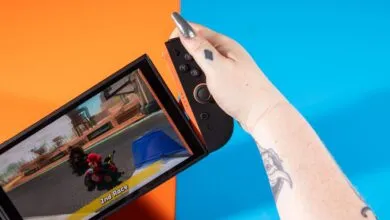
The Switch 2 has already distinguished itself from its predecessor through enhanced visuals, performance, storage, and innovative features like GameChat and GameShare. The updated Joy-Con’s mouse-like functionality presents intriguing new possibilities for game design. The true test will be how upcoming exclusive titles leverage these hardware advancements to create unique gaming experiences. As the console progresses, Nintendo’s challenge will be to navigate component cost pressures while continuing to deliver the compelling software library that defines its brand.
(Source: IGN)