I’d Trust Ikea With My Smart Home After CES 2026
▼ Summary
– Ikea made its debut at CES 2026, marking a significant and ambitious entry into the smart home technology market.
– The company introduced new smart lighting products, including the Varmblixt lamps and Kajplats bulbs, which feature app controls and unique designs.
– Ikea also launched a highly affordable line of Matter-compatible security sensors, such as motion and leak detectors, all priced under $10 each.
– These new smart home devices position Ikea as a potentially major, budget-friendly competitor in a field where it previously had limited presence.
– Most of these products are available for immediate purchase, with the author planning to test their performance for future recommendations.
Ikea has long been synonymous with affordable, assemble-it-yourself furniture, but its presence in the technology sector has been minimal. That perception shifted dramatically at CES 2026, where the company made its debut with a surprisingly robust and competitive smart home ecosystem. Moving beyond past limited partnerships, Ikea introduced a comprehensive range of proprietary lighting and security products that could reshape the market for budget-conscious consumers.
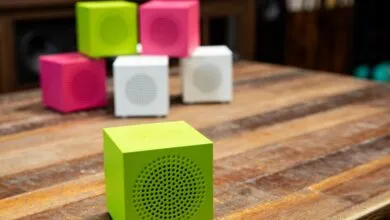
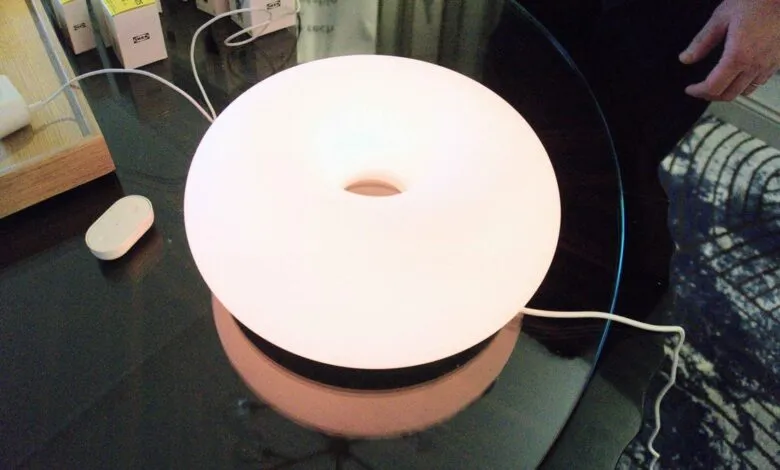
The visually striking Varmblixt smart lighting line immediately captured attention. Available as a sculptural ring or a cascading pendant, these lamps offer full app-based control over color and brightness, complemented by physical remotes with preset options. For simpler upgrades, the Kajplats series provides a variety of smart bulbs for existing fixtures, while the Grillplats smart plug brings app control to any plugged-in device. The company also teased Bluetooth-enabled cube speakers, allowing for modular audio setups.
Perhaps the most disruptive announcement was Ikea’s entry into home security. While not offering cameras, the company unveiled a full suite of highly affordable, Matter-compatible sensors. This lineup includes motion detectors, door/window contact sensors, water leak detectors, and air quality monitors, all retailing for under ten dollars each. This pricing strategy positions Ikea as one of the most economical ways to build a DIY security system, especially when integrated with popular platforms like Apple Home and Google Home.
The majority of these products are available immediately, with a few items like the air quality sensor following in April. This rapid rollout means consumers can begin constructing a cohesive smart home with Ikea’s distinctive design language and notable affordability right away. For a brand previously absent from tech recommendation lists, this concerted push signals a serious commitment to the connected home space.
Initial impressions suggest Ikea has done its homework, creating products that are both aesthetically distinct and functionally straightforward. If long-term testing confirms reliable performance, the company could quickly become a top recommendation for first-time smart home buyers seeking value without major compromise. The Swedish giant’s sudden and well-executed foray suggests the broader smart home industry may need to pay closer attention.
(Source: CNET)