Bose open-sources old smart speakers to prevent bricking
▼ Summary
– Bose is open-sourcing the API documentation for its SoundTouch smart speakers, which were scheduled to lose official support.
– The company has extended the end-of-support date from February 18th to May 6th, 2026.
– When cloud support ends, a SoundTouch app update will add local controls to preserve core functions like Bluetooth, AirPlay, and Spotify Connect streaming.
– Open-sourcing the API will allow users to create their own compatible tools to fill functionality gaps left by the discontinued cloud services.
– This approach is unusual, as products typically become unusable (“bricked”) when cloud support ends, unlike community efforts like the Rebble Alliance for Pebble watches.
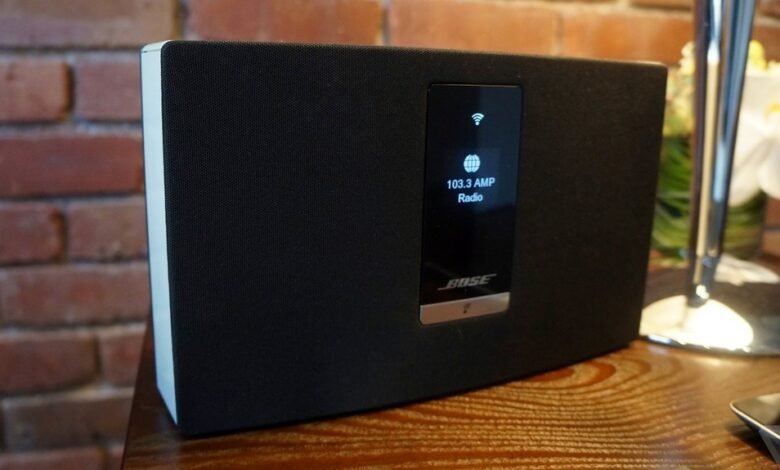
In a welcome development for consumers, Bose has decided to open-source the API documentation for its SoundTouch smart speaker line, significantly extending the life of these devices. The company has also pushed back the date for ending official cloud support from February 18th to May 6th, 2026. This proactive step aims to prevent the speakers from becoming useless electronic waste once their primary online services are discontinued.
When the cloud support ultimately concludes, a final update to the SoundTouch application will introduce local control features. This change is designed to preserve core functionality independently of any internet-based services. Owners will retain the ability to play music through Bluetooth, AirPlay, and Spotify Connect, alongside traditional physical AUX inputs. Essential operations like remote control, grouping multiple speakers together, and the initial setup and configuration process will also remain intact.
The decision to release the API publicly is perhaps the most significant part of this announcement. It empowers the user community and independent developers to build their own compatible tools and applications. This open-source approach can help fill any functionality gaps that might appear after the cloud services are fully retired. While it is still unfortunate that official support is ending, this strategy allows people to continue using their perfectly functional hardware rather than discarding it.
Bose’s move is notably rare in the consumer electronics industry, where products often become “bricked” or severely limited when their cloud dependencies are severed. Typically, the burden falls on dedicated user communities to find workarounds. A prominent example is the Pebble smartwatch, which faced a shutdown in 2016. Enthusiasts formed the Rebble Alliance, a community-driven project that successfully replaced the watch’s cloud services, firmware, and app store, keeping the devices operational long after the company ceased operations. Bose’s action preemptively facilitates a similar path for longevity, setting a commendable precedent for product stewardship.
(Source: The Verge)