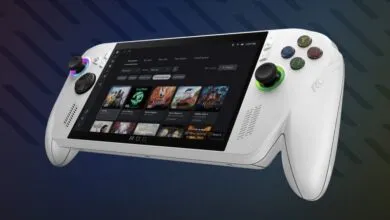
Intel’s Panther Lake CPU Targets Handheld PC Gaming

▼ Summary
– Intel has announced it is developing a new handheld gaming platform powered by its upcoming Panther Lake processors.
– The company plans to compete by creating custom Core G3 chip variants specifically for handhelds, which may outperform its recently announced Arc B390 GPU.
– Intel’s approach involves using its new 18A manufacturing process to optimize chip designs for better GPU performance in handheld devices.
– Concrete details about the platform are not yet available, with Intel stating more news will come from hardware and software partners later this year.
– The announcement places Intel in a competitive field that includes potential handhelds from Qualcomm and more powerful options from AMD’s new Strix Halo chips.
The race to dominate the handheld PC gaming market is heating up significantly, with Intel’s newly announced Panther Lake processors poised to be a major contender. Following recent moves from competitors like Qualcomm and AMD, Intel is developing a complete platform specifically for portable gaming devices. This strategic push involves creating custom variants of its upcoming Core G3 chips, engineered to deliver superior graphics performance tailored for the unique demands of handhelds.
Reports indicate that by leveraging its advanced 18A manufacturing process, Intel can optimize these chips to prioritize GPU power where it matters most for gaming. The goal is to surpass the graphical capabilities of its recently announced Arc B390 GPU, potentially offering a substantial performance leap for future devices. While specific details about the platform remain under wraps, Intel has confirmed that more information from its hardware and software partners will arrive later this year.
This initiative follows the performance gains seen when the MSI Claw handheld transitioned to Intel’s Lunar Lake architecture. The company hopes its Panther Lake-based platform will continue that positive trajectory, providing a compelling alternative in a segment that is rapidly becoming a key battleground for chipmakers. With Qualcomm teasing potential Windows handhelds and AMD preparing its own powerful Strix Halo chips, consumers can expect a wave of innovation and more powerful options for on-the-go PC gaming in the near future.
(Source: The Verge)