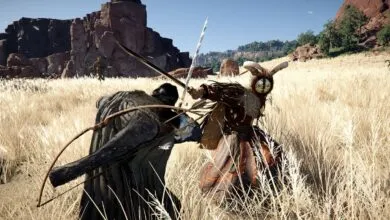
Why This Indie Horse Game Keeps Getting Banned

▼ Summary
– The indie horror game *Horses* was banned from the Epic Games Store and Humble just before and after its launch, following a prior two-year ban from Steam.
– The storefronts (Valve and Epic) cited violations of sexual content policies, but the developer, Santa Ragione, claims they never received clear explanations for what specific content was objectionable.
– A key point of contention was an early demo scene involving a naked adult woman and a young girl, which the developer later altered, but the bans have jeopardized the studio’s financial survival.
– The developer argues that Steam’s opaque policies and refusal to re-evaluate the final game allow the platform arbitrary control, while Epic’s last-minute ban is confusing as it had previously approved the build.
– Despite the bans, *Horses* is available on other stores like GOG and Itch.io and has received a “Mature” ESRB rating, but the studio’s future depends on the game’s commercial success.
The narrative horror game Horses has found itself at the center of a contentious debate over platform policies and creative freedom after facing sudden bans from major digital storefronts. This indie title, developed by Santa Ragione, was removed from the Epic Games Store just before its scheduled launch and subsequently banned from the Humble store a day after release. These actions followed a two-year struggle with Steam, which had previously rejected the game without clear explanation, placing the small studio in serious financial jeopardy. The situation highlights the immense power storefronts wield over independent developers and the often opaque nature of content moderation.
Storefronts like Valve and Epic have cited violations of sexual content policies as the reason for banning Horses, though the developers assert they have never received specific details about what content triggered the action. Humble has offered no public explanation for its post-launch removal. For Santa Ragione, creators of the acclaimed Saturnalia, this series of rejections has transformed their project from a niche artistic endeavor into a flashpoint in the ongoing conflict between platform guidelines and indie expression.
The game’s troubles originated two years ago when Steam rejected it during its review process. According to a developer FAQ, the platform used its broad discretionary power to refuse the title without providing a detailed rationale, simply stating it could not legally distribute the game. The studio spent years seeking clarification and a path to compliance, only to be repeatedly denied review and appeal. A potential catalyst for the ban may have been an early demo scene, later altered in the final game, which involved a character interaction some might find unsettling. In the demo, a player facilitated a young girl riding on the shoulders of a nude adult woman, a scene the developers stress was never intended to be sexual. They have since changed the character to a twenty-something woman, refining the narrative context.
Valve eventually issued a statement noting its team had played the build, provided feedback consistent with its guidelines, and upheld its final decision after an internal review. However, the lack of concrete specifics left the developers in a bind. The Steam ban had a devastating financial impact, as it “completely erased our ability to find an external supporting publisher or partner,” with the industry largely viewing a Steam-less release as commercially non-viable. Development continued only through personal investments from friends, putting the studio’s future entirely on the line.
Seeking alternative outlets, Santa Ragione secured distribution on Itch.io, GOG, and initially, the Humble and Epic Games Stores. GOG publicly welcomed the game, affirming its belief in player choice. Yet, the last-minute ban from Epic, a platform with significant market recognition, was a particularly harsh blow. Epic cited its policy on inappropriate content and its restriction against Adults Only (AO) rated games, despite Horses carrying an Mature (17+) rating from the ESRB, which remains visible on its Epic store page. The developers note that Epic had the final, approved build for weeks before abruptly reversing course, suggesting a decision influenced by the growing publicity around the game’s controversies.
Santa Ragione has been transparent about the game’s challenging themes. Its website features a lengthy content warning listing physical violence, psychological abuse, gory imagery, depictions of slavery, torture, domestic abuse, sexual assault, suicide, and misogyny. The studio also clarifies that any nudity is censored via pixelation. They argue that while platforms may act out of an abundance of caution, the refusal to reevaluate or clearly explain decisions is a significant problem. The FAQ posits that Steam maintains opaque policies to avoid being held to fixed rules, allowing it to make situational judgments.
Despite the storefront battles, Horses is still available on several platforms and has received mostly positive reviews from those who have played it. However, the financial damage may be irreversible. The studio states that the combination of lost revenue from the Steam ban and debts to investors has created an unsustainable situation, meaning the game must recoup its full development costs to prevent the studio from shutting down. This case underscores a precarious reality for indie creators navigating the subjective and powerful gatekeeping of major digital distributors.
(Source: The Verge)