▼ Summary
– Mesenchymal stem cells (MSCs) have powerful regenerative properties, reducing inflammation, repairing tissue, and treating chronic diseases, but scaling production remains a challenge.
– Cellcolabs, a Swedish startup, aims to make MSC treatments affordable by cutting costs by up to 90% within a decade, leveraging scientific and regulatory advancements.
– Professor Katarina Le Blanc’s research proved MSCs’ therapeutic potential, enabling clinical-grade production and paving the way for large-scale treatments.
– MSCs could revolutionize healthcare by shifting focus from reactive to preventative care, potentially delaying chronic diseases and improving quality of life in aging populations.
– Cellcolabs is developing bioreactor technology to scale MSC production, with full-scale launch expected by 2028, supported by progressive trials in the Bahamas and Abu Dhabi.
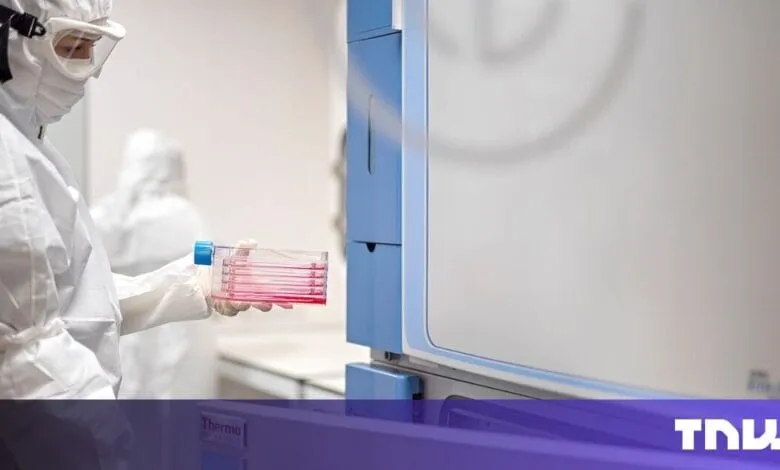
Stem cell therapy is poised to revolutionize modern medicine, with one Swedish startup making significant strides toward mass production. At the Karolinska Institute in Stockholm, scientists clad in protective gear meticulously cultivate mesenchymal stem cells (MSCs) in sterile cleanrooms. These tiny but powerful cells hold immense potential, repairing damaged tissues, reducing inflammation, and even delaying aging. The challenge? Scaling production to meet global demand without compromising quality or affordability.
Cellcolabs, the startup behind this ambitious effort, believes it’s on the verge of a breakthrough. Their latest harvest yielded 4.1 billion cells from a single donation, enough for 200 standard doses. CEO Dr. Mattias Bernow sees this as just the beginning. “We’re at an inflection point in medicine,” he says, predicting a 90% reduction in treatment costs within a decade.
The Science Behind MSCs
Cellcolabs sources its MSCs from the bone marrow of healthy young donors. A mere 50-milliliter sample, roughly a shot glass, can produce up to 200 doses. While extraction is minimally invasive, mass production remains a hurdle. MSCs require precise handling, stringent quality control, and specialized biomanufacturing techniques.
Breaking Barriers in Production
To address this bottleneck, Le Blanc co-founded Cellcolabs in 2021. Since then, the company has secured regulatory approval for its Karolinska facility and slashed production costs. The next leap? Bioreactors, automated systems that could exponentially increase output while maintaining consistency.
A Future of Preventative Medicine
Early trials in the Bahamas and Abu Dhabi are exploring MSC applications for osteoarthritis, cardiovascular risk, and age-related frailty. Success in these progressive regulatory environments could pave the way for global adoption.
For Bernow, the ultimate goal isn’t just extending life, it’s enhancing it. “We’ve added years, but often with declining health,” he notes. “Stem cells could help people stay active and independent well into their later years.” While they won’t grant immortality, they might just make those extra decades worth living.
(Source: The Next Web)