▼ Summary
– The Optimizer newsletter discusses technology’s impact on life, with recent focus on wellness trends like metabolism optimization and continuous glucose monitors (CGMs).
– CGMs are life-saving devices for diabetics and can help prediabetics, but their benefits for non-diabetics are uncertain and under investigation.
– The author’s personal use of a CGM during holidays led to food anxiety, reduced enjoyment of meals, and a relapse into disordered eating habits.
– While CGMs can be useful tools for some, they are not a cure-all and require critical consideration of their potential harms, especially for non-diabetics.
– The article concludes that metabolism optimization is complex and cannot be achieved solely through gadgets, emphasizing the importance of self-awareness and professional guidance.
The growing trend of metabolism optimization has captured the attention of wellness enthusiasts, yet the methods promoted often carry hidden risks that aren’t immediately apparent. Social media feeds overflow with influencers advocating everything from specialized supplements to extreme dietary protocols like the viral Korean Switch-On diet, all promising to reset your metabolic function. While these approaches may seem scientifically grounded, their actual impact on long-term health remains questionable.
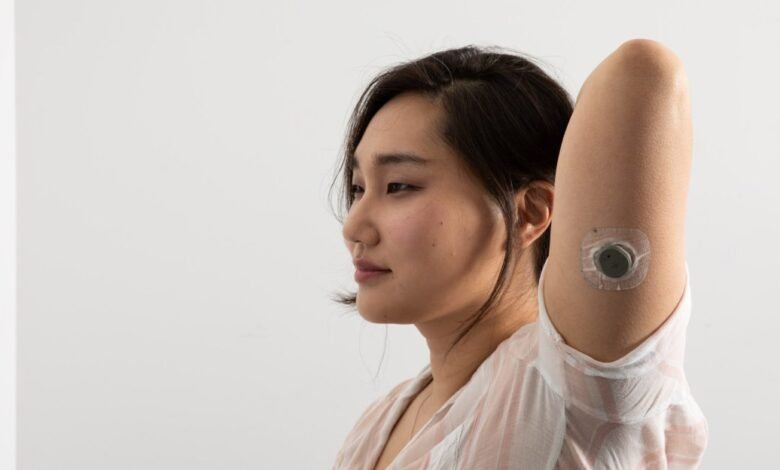
My personal investigation into this phenomenon led me to experiment with continuous glucose monitors, devices originally designed for diabetes management that have now entered the mainstream wellness space. Continuous glucose monitors (CGMs) provide real-time data about blood sugar fluctuations, offering valuable insights for those with metabolic conditions. What began as curiosity, however, gradually transformed into an unhealthy fixation that nearly destroyed my relationship with food.
Last Thanksgiving, I decided to wear a CGM during our family dinner. Instead of anticipating my favorite holiday dishes, I found myself mentally calculating how each food might affect my glucose readings. My Korean family had prepared traditional favorites alongside special dishes to make my spouse feel welcome, including a Southern pretzel salad that defies conventional food categories. Rather than enjoying these culinary offerings, I meticulously portioned my plate—half salad with dressing on the side, a quarter protein, and a single slice of canned cranberry jelly that I normally adore.
Throughout the evening, I monitored two different CGM applications, debating whether I could justify a second helping. I mentally reviewed my morning Turkey Trot run and calculated potential walks to offset any glucose spikes. My aunt’s concerned expressions went largely unnoticed as I focused on maintaining “optimal” numbers. The result? Technically, I achieved a nutritionally perfect holiday meal, but emotionally, I missed the entire experience.
This pattern continued through Christmas and even my birthday, where I declined cake entirely. The psychological impact of constant glucose monitoring became increasingly evident as I found myself avoiding social situations involving food and skipping meals regularly. Ironically, despite my extreme vigilance, I began gaining weight and noticed my running performance declining significantly.
It took months to recognize that I had slipped back into disordered eating patterns I thought I’d overcome. The constant data stream from the CGM had amplified my health anxiety, creating a cycle of restriction and guilt that proved counterproductive to my actual metabolic health. My doctor and I are still working to understand why my metabolism isn’t functioning properly, despite all my efforts to “optimize” it.
This experience doesn’t negate the potential value of CGMs for certain individuals. For people with diabetes or prediabetes, these devices can be life-changing tools. Even some health-conscious individuals might benefit from short-term use to understand their body’s responses to different foods. The danger emerges when these devices become instruments of obsession rather than education.
The recent suggestion that all Americans should use wearables like CGMs to take responsibility for their health overlooks a critical reality: not everyone possesses the psychological framework to interpret this constant stream of biological data in a healthy manner. Scientific backing doesn’t automatically translate to universal applicability, particularly when metabolic health involves complex interactions between genetics, lifestyle, and mental wellbeing.
As I prepared for this year’s Thanksgiving without my CGM, I acknowledged the struggle I would likely face when filling my plate. More importantly, I committed to enjoying two slices of canned cranberry jelly without guilt or calculation. True metabolic health involves more than perfect glucose graphs—it includes savoring special moments and maintaining a balanced perspective on wellness. Sometimes, the healthiest optimization comes from knowing when to put the technology aside and simply live.
(Source: The Verge)