Lord of Mysteries: The Spiritual Successor to Bloodborne 2
▼ Summary
– Bloodborne fans continue discovering secrets and hoping for a sequel, finding similar themes in the Chinese animated series *Lord of Mysteries*.
– *Lord of Mysteries* follows a man transported to a Victorian-esque world, where he gains supernatural powers and joins a group fighting occult threats.
– The series features “beyonders” who gain godlike abilities through mysterious potions, paralleling Bloodborne’s themes of power and transformation.
– The show’s world blends everyday life with occult horrors, creating a Lovecraftian atmosphere where reality is constantly questioned.
– Both *Lord of Mysteries* and Bloodborne explore dreams and manipulated realities, though the former grounds its surreal elements in a more living, layered society.
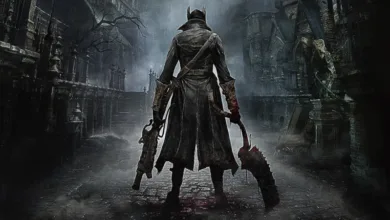
For fans craving the dark, mysterious atmosphere of Bloodborne, the Chinese animated series Lord of Mysteries delivers a similarly enthralling experience. Set in a Victorian-inspired world filled with occult secrets and eldritch horrors, this adaptation of the popular web novel captures the same sense of unease and cosmic dread that made FromSoftware’s masterpiece so compelling.
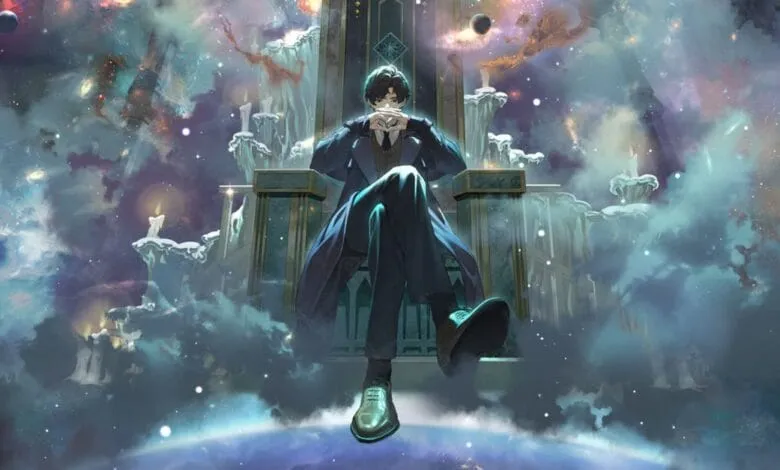
The story follows Klein Moretti, a man transported from modern-day China into a gothic city teeming with supernatural threats. As a beyonder, an individual who gains powers through mysterious potions, he joins the Nighthawks, an organization dedicated to combating the hidden dangers lurking in Tingen City. The animation by B.CMAY Pictures brings this eerie world to life, blending intricate character designs with hauntingly beautiful backdrops.
Much like Bloodborne’s Healing Church and its cursed blood ministration, Lord of Mysteries explores the cost of power through its potion system. These elixirs grant abilities tied to specific pathways, but their origins remain shrouded in secrecy. Some beyonders develop divination skills, while others harness the strength of darkness, yet all risk losing their humanity in pursuit of godlike status. The parallels to Bloodborne’s transformation mechanics are unmistakable, reinforcing the theme that power comes at a terrible price.
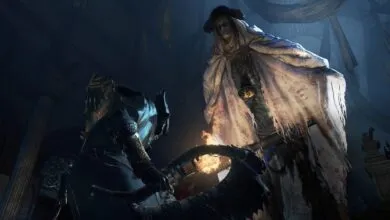
The series also mirrors Bloodborne’s fascination with deities and cosmic entities. Tingen’s inhabitants worship enigmatic beings like “The Evernight Goddess” and “The God of Steam and Machinery,” whose unsettling designs rival the Great Ones of Yharnam. One standout sequence features the True Creator, a grotesque, inverted figure descending from the sky, evoking the same visceral horror as Bloodborne’s most nightmarish bosses.
Where Lord of Mysteries diverges is in its portrayal of everyday life. Unlike the decaying streets of Yharnam, Tingen pulses with activity: markets bustle, aristocrats host lavish parties, and citizens go about their routines. Yet beneath this veneer of normalcy, occult rituals and forbidden knowledge thrive. The juxtaposition creates a uniquely unsettling tone, reminiscent of Lovecraftian tales where the mundane and the monstrous coexist.
Dreams play a pivotal role in both narratives. In Bloodborne, the Hunter’s Dream blurs the line between reality and illusion, while Lord of Mysteries introduces nightmares crafted by beyonders to torment their victims. The series constantly challenges viewers to question what’s real, weaving psychological tension into its supernatural framework.
For those yearning for Bloodborne’s gothic intrigue and existential dread, Lord of Mysteries offers a fresh yet familiar descent into madness. With its rich lore, striking visuals, and thought-provoking themes, it stands as a worthy successor to the haunting legacy of FromSoftware’s cult classic.
(Source: Polygon)