My iPhone Upgrade Rule for 2025 Just Changed
▼ Summary
– The iPhone 17 base model offers significant upgrades like a 120Hz display, improved cameras, and more storage for $799, making it a strong value compared to previous Pro models.
– The iPhone Air is an ultra-thin, futuristic phone that serves as a tech demo but has limitations in battery life and cameras, making it best for early adopters.
– The iPhone 17 Pro and Pro Max address overheating issues by switching to an aluminum casing and adding a vapor chamber cooling system for better thermal management.
– Apple improved the telephoto zoom on the iPhone 17 Pro Max with a 48MP sensor and 8x optical-quality zoom, enhancing photo quality over previous models.
– The author’s buying advice varies this year, recommending the iPhone 17 for many users and the Pro Max for those who had issues with overheating or zoom on older Pro models.
The landscape for choosing a new iPhone in 2025 has shifted dramatically, making this year’s upgrade decision uniquely challenging. Apple’s iPhone 17 lineup presents a genuine “tyranny of choice,” where every model brings compelling improvements, leaving potential buyers to navigate an array of excellent options. For the first time since 2007, my annual upgrade advice has completely transformed. After extensive hands-on time with all four new iPhones, it’s clear that the standard iPhone 17 now delivers such impressive value that it will satisfy many who would have previously needed a Pro model. Meanwhile, the iPhone Air offers a breathtaking glimpse into the future of smartphone design, and the iPhone 17 Pro Max directly tackles the overheating and zoom limitations that plagued its predecessors.
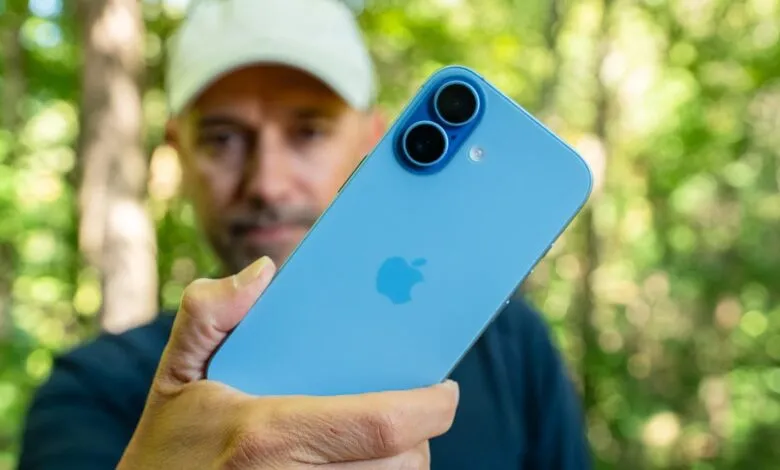
The $799 iPhone 17 now appeals to a much wider audience than ever before. In past years, the base model typically suited budget-conscious shoppers, younger users, or those replacing a damaged device. That perception no longer holds. Apple packed the iPhone 17 with substantial upgrades, starting with a redesigned 6.3-inch screen featuring a 120Hz ProMotion display, 3000 nits peak brightness, an anti-reflective coating, and an always-on mode. The camera system received a major boost, adopting a 48MP dual fusion setup for the main and ultrawide lenses. It also includes the same advanced 24MP selfie camera found on the Pro and Air models, which intelligently switches between portrait and landscape orientations and uses machine learning to optimize group shots. Perhaps most impressively, Apple maintained the $799 starting price while doubling the base storage to 256GB, effectively a $100 price reduction compared to last year’s equivalent storage. When you consider that last year’s iPhone 16 Pro started at $999 for 128GB, the iPhone 17 emerges as an outstanding value, nearly matching the iPhone 16 Pro’s capabilities while adding next-generation front-facing camera features. For anyone upgrading from an iPhone 13 Pro or earlier who rarely uses telephoto zoom, the iPhone 17 is a powerful and cost-effective choice.
The iPhone Air serves as a bold technological statement, though it occupies a historically difficult position in the lineup, similar to past Mini and Plus models. Essentially a showcase of engineering prowess, it demonstrates how incredibly thin a phone can be, acting as a precursor to anticipated foldable designs. Picking up the iPhone Air is a remarkable experience; its featherlight, futuristic feel genuinely impresses. However, for most upgraders, it’s not the most practical daily device. The base iPhone 17 offers superior cameras and a lower price, while power users will find the Air’s battery life and camera system insufficient for heavy demands. That said, if you’re an early adopter who delights in using groundbreaking tech ahead of the curve, the iPhone Air will likely captivate you. It’s the phone for those who were first in line for Google Glass or Apple Vision Pro and are already anticipating a foldable iPhone. Just be sure to invest in a protective bumper case if your daily screen time regularly exceeds four hours.
The iPhone 17 Pro Max directly confronts two significant issues from earlier Pro models: overheating and mediocre zoom quality. Many users, including myself, loved the iPhone 15 Pro Max and iPhone 16 Pro Max for their superb main cameras but grew frustrated with their tendency to overheat during intensive tasks like photography, video recording, or use in warm environments. This overheating often led to rapid battery drain. Additionally, the 5x telephoto camera, while serviceable for social media, frequently produced images that lacked the detail and editing flexibility of the main sensor. Apple’s solutions in the iPhone 17 Pro Max are both thoughtful and effective. To combat heat, the company returned to an aluminum casing, a material far superior to titanium in heat dissipation, and incorporated a vapor chamber cooling system that uses deionized water to keep the A19 Pro chip running cool under load. Regarding the zoom, Apple upgraded the tetraprism telephoto to a 48MP sensor and adjusted the optical zoom to 4x. This enables a cropped 8x “optical quality” zoom that I found to be a substantial improvement, delivering sharper, more usable images than any previous iPhone telephoto. For anyone who experienced the overheating or zoom shortcomings of the last two Pro Max models, the iPhone 17 Pro Max represents a compelling reason to upgrade sooner than usual.
(Source: ZDNET)