The iPad Pro at 10: A Decade of Missed Opportunities
▼ Summary
– The iPad was originally positioned as a larger-screen alternative to the iPhone, with Steve Jobs believing its size would transform user interaction with devices.
– The iPad Pro initially maintained the same functionality as earlier iPads but with a larger screen, leaving its specific advantages unclear beyond bigger documents.
– Early iPad Pro models faced criticism for feeling limited compared to laptops due to restrictive software, security policies, and minimal multitasking capabilities.
– Over time, Apple transformed the iPad Pro into a laptop-like device with improved accessories, USB-C, external device support, and enhanced multitasking in iPadOS.
– Despite hardware excellence, the iPad Pro still has software limitations compared to Macs, and achieving full computer status requires Apple to remove artificial restrictions on app access and system control.
The iPad Pro’s journey over the last ten years reflects a significant shift from a device with untapped potential to a powerful laptop alternative. When Steve Jobs first introduced the iPad, he envisioned a new way of interacting with technology, centered around a larger screen. That initial concept carried over to the iPad Pro five years later, which essentially offered the same experience as its smaller counterparts, just on a bigger display. Many users, however, saw a device that resembled their computer but lacked the functionality they expected.
Early iPad Pro models, despite their impressive screens, felt constrained by restrictive software. Apple’s tight security, limited multitasking capabilities, and an underpowered browser made the device feel less capable than it should have been. Instead of delivering a laptop replacement, Apple positioned the iPad as a distinct category, leaving consumers who wanted a full computing experience looking elsewhere. The hardware was clearly advanced, but the operating system held it back from realizing its true potential.
Over time, Apple began to listen to user demands. The introduction and refinement of accessories like the Apple Pencil and Smart Keyboard marked a turning point. Gradually, the iPad Pro gained features such as USB-C connectivity, support for external drives, and improved file management. These additions started to blur the line between tablet and computer, making the Pro increasingly versatile for productivity tasks.
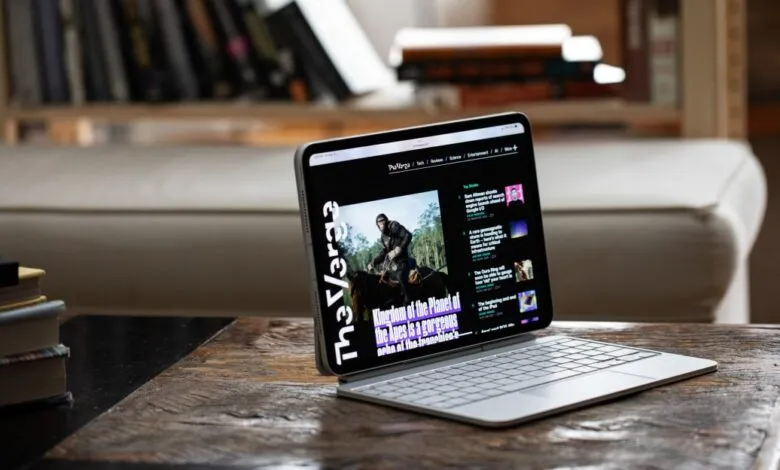
Today’s M5 iPad Pro stands as a testament to how far the line has come. Its sleek, lightweight design and stunning OLED display set a high bar for premium hardware. Paired with the Magic Keyboard, it provides a typing and trackpad experience that rivals many laptops. The Apple Pencil unlocks creative possibilities not found on traditional computers. Recent software updates have introduced more desktop-like features, including a menu bar, enhanced multitasking, and a landscape-oriented webcam, signaling that Apple now expects the iPad to be used primarily in a docked configuration.
Using the latest iPad Pro as a primary computer reveals its strengths. The combination of touch and trackpad input feels intuitive, while features like built-in cellular connectivity and excellent media consumption capabilities add unique value. For creative professionals and everyday users alike, it offers a compelling blend of portability and power. Yet, persistent software limitations continue to frustrate. Unlike Macs, the iPad Pro restricts app installations to the App Store, limits background processes, and lacks system-level utilities that power users rely on.
These artificial constraints have been a point of criticism for years. For the iPad Pro to fully become the computer it’s capable of being, Apple must remove these unnecessary restrictions. Apps need greater freedom to operate in the background and interact with each other. A true desktop-class browser and more system access would bring the iPad in line with what users expect from a computer. The core idea is simple: a computer should allow you to do anything the hardware supports, without arbitrary software barriers.
A memorable Apple advertisement once asked, “What’s a computer?” That question highlighted the company’s own uncertainty about the iPad’s role. Now, with the iPad Pro’s hardware and accessory ecosystem fully matured, it’s clear that the device has evolved into a laptop, and an exceptional one at that. The next logical step is for Apple to grant the software the same freedom and power as the hardware, finally allowing the iPad Pro to fulfill a decade of promise.
(Source: The Verge)