Gaming Laptops Outperform Xbox Ally X in Value
▼ Summary
– Handheld gaming PCs have become popular alternatives to gaming laptops for portable gaming, especially for commutes or trips.
– The Steam Deck’s affordability and user-friendly experience sparked mainstream adoption of handheld gaming PCs, though newer models are more expensive.
– Gaming laptops remain significantly more expensive than handhelds, with high-end models costing thousands of dollars but offering superior performance and graphics.
– Handhelds are best suited as secondary devices for gaming on the go, while gaming laptops serve as primary computers capable of both gaming and productivity tasks.
– Handhelds struggle to replace gaming laptops for work or complex tasks due to usability limitations, requiring extra accessories and steps for productivity.
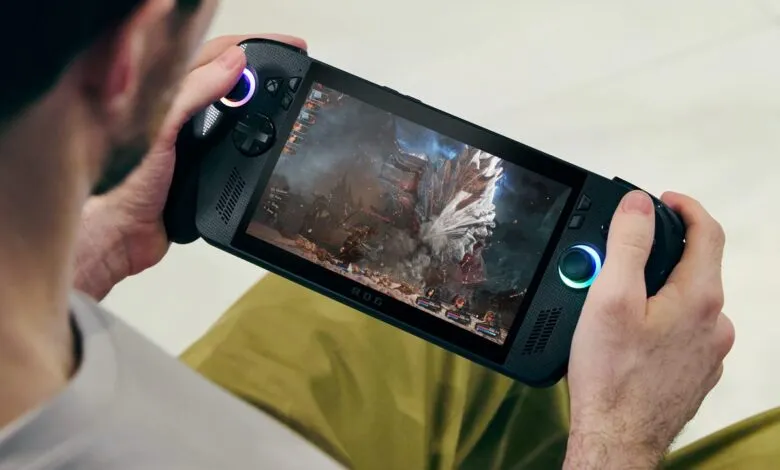
The debate between gaming laptops and handheld PCs is heating up as devices like the Xbox Ally X gain popularity, yet many gamers find themselves questioning which option truly offers the best value. Handhelds have certainly carved out a niche for portable play, but when it comes to versatility and raw power, gaming laptops continue to hold their ground.
Handheld gaming PCs have evolved dramatically from early models like the Pandora to today’s sleek, powerful units. The Steam Deck’s launch a few years ago really pushed these devices into the mainstream, thanks to its accessible price and user-friendly interface. Since then, numerous manufacturers have introduced their own versions, though without Valve’s ability to offset costs through software sales, many come with steeper price tags. Still, modern handhelds let you play almost any title on the go, provided you’re okay with dialing down the graphics settings a bit.
However, pricing remains a significant hurdle for both categories. Entry-level gaming laptops, such as the Acer Nitro V, start around $900 and include components like an RTX 5050 and Core i7 processor. High-end models like the Razer Blade 16 can easily surpass $4,000, especially when configured with top-tier graphics cards. While handhelds were initially marketed as affordable secondary devices, newer releases are inching closer to laptop prices, making the decision less straightforward.
Many users, including myself, treat handhelds as complementary gadgets rather than primary machines. I picked up a Steam Deck at launch for a reasonable $529, and it’s perfect for casual gaming sessions away from my desk. But if the price had been much higher, I might have skipped it altogether. Gaming laptops, by contrast, are built to serve as your main computer, capable of running demanding games at higher resolutions and handling productivity tasks without compromise.
Despite the convenience of handhelds, gaming laptops aren’t disappearing anytime soon. They offer a seamless experience for both work and play, something handhelds struggle to match. Even with full Windows installations, using a device like the Xbox Ally X for productivity often requires extra peripherals and steps, which can be cumbersome. For anyone needing a single, do-it-all machine, a gaming laptop is typically the more practical choice.
As the price gap narrows, the value proposition of gaming laptops becomes clearer. You get superior gaming performance alongside the ability to tackle everyday computing needs effortlessly. Handhelds excel as companions to a primary setup, especially if you already own an extensive game library. But when a secondary device costs as much as a capable laptop, it raises questions about where the real value lies. For most people, investing in a gaming laptop simply makes more sense.
(Source: IGN)


