Apple’s AirPods Max 2: A Disappointing Incremental Update

▼ Summary
– Apple has unexpectedly announced the AirPods Max 2, an updated version of its flagship headphones, which will be available for order starting March 25.
– The new model features the H2 chip, providing significantly improved noise canceling and audio performance, including enhanced spatial audio and features like Voice Isolation.
– Despite the internal upgrades, the headphones retain the same $549 price, heavy aluminum design, and much-criticized case as the original model.
– The update is seen as overdue and modest, especially compared to frequent, substantial hardware revamps from competitors like Bose and Sony over the past six years.
– The article suggests this quiet, incremental update feels underbaked, likely released separately from Apple’s more significant product announcements earlier in the month.
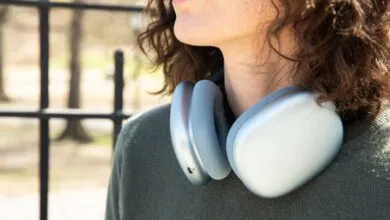
Following a major product launch event earlier this month, Apple has discreetly unveiled the second generation of its premium over-ear headphones. The AirPods Max 2 arrive with a familiar $549 price tag and an almost identical external design, focusing its upgrades on internal components. Available for order starting March 25, the new model centers its improvements on the integration of the H2 chip, promising significantly enhanced active noise cancellation and refined audio quality.
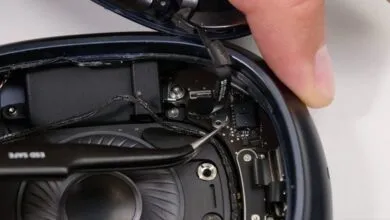
This long-awaited refresh addresses a product line that had seen only minor updates since its 2020 debut. The core advancement comes from the H2 silicon, which also powers the latest AirPods Pro models. Apple claims this chip enables noise cancellation that is “1.5x more effective” than the previous generation. It also drives a new amplifier system designed to deliver cleaner sound with improved spatial audio support.
Beyond audio performance, the H2 chip unlocks several modern feature sets. These include Voice Isolation for clearer calls, Live Translation capabilities, and intelligent ambient sound modes like Conversation Awareness and Adaptive Audio. These features automatically adjust audio levels based on your voice and surrounding environment. As with the updated USB-C model of the first-generation Max, the new headphones support lossless audio via a wired connection at resolutions up to 24-bit/48-kHz with compatible devices.
However, the announcement has been met with some skepticism. The most notable point of contention is the lack of any substantial hardware redesign. The headphones retain the same heavy aluminum build and the much-criticized smart case, which offers minimal protection for travel. This stands in stark contrast to the aggressive evolution seen from key competitors.
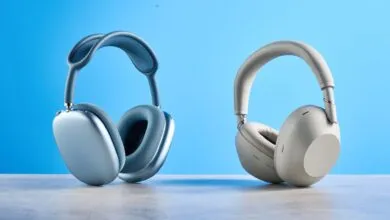
Over the same six-year period, rivals like Bose and Sony have introduced multiple generations of their flagship noise-canceling models. These updates have brought major leaps in noise reduction technology, comfort, and portability, cementing products like the Sony WH-1000XM6 and Bose QuietComfort Ultra 2 as market leaders. Other audio brands, including Bowers & Wilkins and JBL, have maintained a consistent cadence of updates to incorporate the latest advancements.
Given this highly competitive landscape, an update that primarily revolves around a chip that debuted four years ago feels incremental. This perception may explain why Apple chose a low-key announcement, separate from its more headline-grabbing launches earlier in the month. The company has historically followed its own timeline, and the original AirPods Max maintained relevance through a combination of solid initial performance and occasional software enhancements, even as they fell behind in direct comparisons with class leaders.
The success of the AirPods Max 2 will ultimately hinge on whether the new internal architecture can deliver a genuinely transformative listening experience. The critical question remains: can these under-the-hood improvements leverage enough performance gain to reclaim a leading position in one of the audio industry’s most fiercely contested categories?
(Source: Wired)