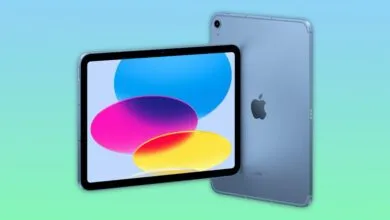
iPhone 17e Outperforms MacBook Neo in Speed Test

▼ Summary
– Apple is launching two new low-cost devices, the iPhone 17e and the MacBook Neo, both using A-series chips historically limited to iPhones and iPads.
– The iPhone 17e, with a newer A19 chip, outperforms the MacBook Neo’s A18 Pro chip in both multi-core and single-core CPU benchmarks.
– GPU performance, measured by Metal scores, is very close between the two devices, with the iPhone having a slight edge.
– Both devices feature 8GB of RAM to support Apple Intelligence, which early reviewers found sufficient for light everyday tasks on the MacBook Neo.
– The MacBook Neo is the first Mac designed with an A-series chip, making it essentially an iPhone running macOS, despite its CPU trailing the iPhone.
In a surprising turn of events, Apple’s upcoming budget-friendly iPhone has demonstrated superior processing power compared to its equally priced laptop counterpart. Early benchmark results reveal that the iPhone 17e, equipped with the newer A19 chip, outperforms the MacBook Neo, which utilizes last year’s A18 Pro processor. This performance gap highlights the rapid advancement of Apple’s silicon, even within its more accessible product lines, setting the stage for an intriguing launch.
The data comes from preliminary Geekbench tests. In multi-core performance, a critical measure for handling multiple tasks simultaneously, the iPhone 17e posted a score of 9,241. The MacBook Neo, in contrast, achieved a result of 8,668. This trend continues in single-core performance, which affects the speed of everyday app operations. Here, the smartphone scored 3,607, edging out the laptop’s 3,461. These figures confirm that the newer A19 chip in the $599 iPhone delivers stronger CPU performance than the A18 Pro in the identically priced Mac.
Graphics performance, measured by Metal scores, presented a much tighter race. The MacBook Neo’s GPU results fluctuated between 30,000 and 31,400 points. The iPhone 17e’s scores were slightly higher, ranging from 31,000 to 31,600. This near parity suggests that while the iPhone’s processor is more potent, the graphical capabilities of both devices are closely matched for their respective tasks.
Both new devices share a key specification: 8GB of unified memory. This amount is a requirement for supporting Apple’s suite of Apple Intelligence features. While 8GB of RAM might seem modest for a computer, initial hands-on reviews indicate it provides a satisfactory experience for standard, light computing duties on the MacBook Neo, such as web browsing, document editing, and media consumption.
The MacBook Neo represents a significant shift in Apple’s computer strategy. It is the company’s first Mac to abandon the M-series chips in favor of a mobile-derived A-series processor. The benchmark results reinforce the idea that, at its core, this laptop functions similarly to an iPhone running the macOS operating system. A major question now is how consumers will respond to a MacBook whose raw computational speed is surpassed by a smartphone at the same price point, potentially influencing sales dynamics in Apple’s value-oriented market segment.
(Source: Mac Rumors)