Second-Gen AirTags: The Ultimate Organizer for Forgetful Minds
▼ Summary
– The author controversially considers AirTags superior to iPads, a view reinforced by the second-generation model’s improvements.
– Key upgrades in the second-gen AirTag include extended range, a louder chime, and the ability to use Precision Finding on an Apple Watch Series 9 or Ultra 2.
– The author finds AirTags indispensable for managing ADHD and locating essentials in a multi-story home, despite existing flaws like a bulky shape and easy scuffing.
– Testing showed the new model significantly improves connectivity speed, vertical range, and chime audibility compared to the original.
– While recommending an upgrade for frequently lost items, the author acknowledges AirTags aren’t for everyone and suggests a measured replacement strategy to minimize cost and waste.
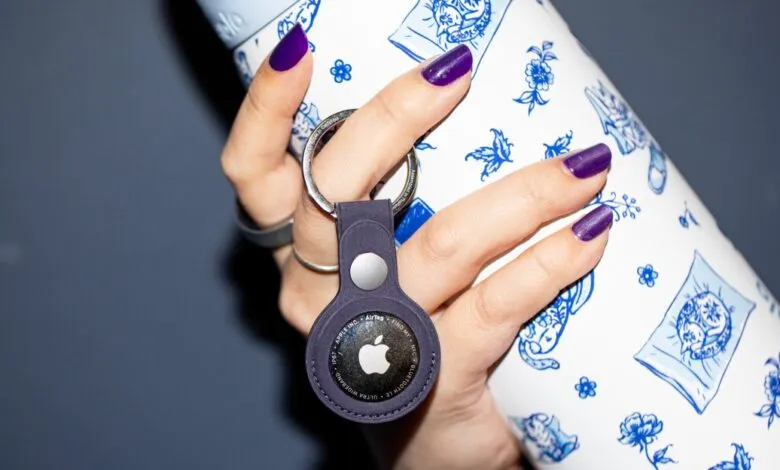
While the debate over Apple’s most useful product continues, the second-generation AirTag presents a compelling case for those who frequently misplace their belongings. This isn’t a flashy redesign, but a series of thoughtful upgrades that significantly enhance the core experience of finding lost items. For individuals who struggle with organization or live in multi-level homes, the improvements in connectivity and audio clarity are genuinely transformative.
The latest model builds upon a proven formula. It retains the familiar disc shape and affordable price point, but introduces a more powerful ultra-wideband chip, upgraded Bluetooth, and a completely redesigned speaker. These technical changes translate to a noticeably extended range and a chime that is 50 percent louder, addressing two of the most common frustrations with the original tracker.
In practical testing, the difference is stark. Where an original AirTag might struggle to connect across multiple floors of a townhouse, the new version maintains a reliable link. The enhanced vertical range means you can locate an item in the basement from the top floor, a scenario where the first-generation model would often fail. The louder, higher-pitched chime is far easier to hear when an item is buried under a blanket or wedged behind furniture, turning a frantic search into a quick retrieval.
Another standout feature is the new integration with the Apple Watch. By adding a control center button, you can now use Precision Finding directly from your wrist. This is a game-changer for moments when your iPhone isn’t within arm’s reach. Since the watch is typically worn, it becomes the fastest tool to locate a missing key or remote, streamlining the entire process.
Of course, the update isn’t perfect. The physical design remains unchanged, which means it can still scuff easily and isn’t ideal for slim wallets without a special case. Apple also reiterates that AirTags are not intended for tracking people or pets, a stance underscored by the louder chime which could deter misuse. The core value proposition, however, is stronger than ever for its intended purpose.
For existing users, the decision to upgrade depends on need. If your original AirTags serve you well, there’s no urgent reason to switch. But for power users or those who found the first generation’s limitations frustrating, especially regarding range and audio, the second-generation model is a worthwhile investment. A sensible approach is to gradually replace the tags on your most frequently lost items, repurposing the older ones for less critical belongings.
At its heart, this product isn’t about revolutionary change. It’s about refining a tool that solves a very specific, yet common, problem. For anyone who has ever wasted precious minutes searching for essentials, these incremental improvements make the humble AirTag an indispensable part of daily life.
(Source: The Verge)