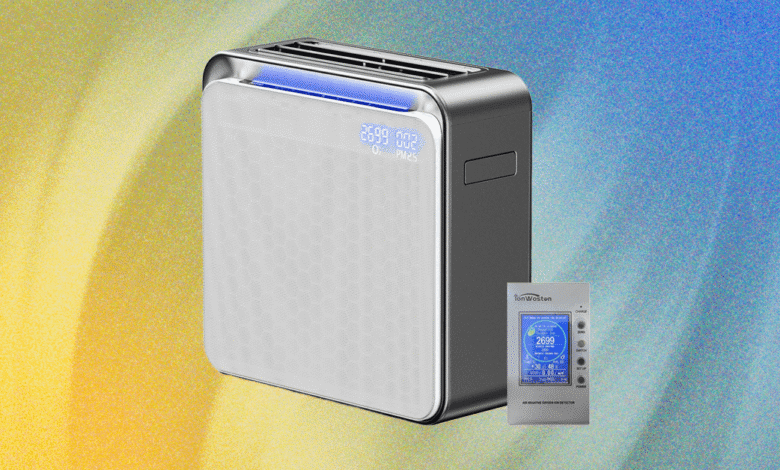
▼ Summary
– The Burtran air purifier uses negative oxygen ion technology to create a forest-like atmosphere and claims to improve energy, sleep, and stress without ozone, radiation, or static.
– It employs a HEPA 14 filter, which is denser than the more common HEPA 13 filters used in most other air purifiers.
– While ion generators often produce harmful ozone, the Burtran model is CARB-certified and has not been proven to create ozone.
– A significant concern with negative ion technology is the potential release of radiation from minerals like thorium or uranium, which some products contain.
– The author, despite Burtran’s claims of being radiation-free, tested the device with a Geiger counter due to these general safety concerns.
Finding an air purifier that genuinely improves indoor air quality without introducing new risks can be a challenge. The Burtran Nano-Oxy Air Purifier enters the market with a distinctive promise: it uses negative oxygen ion technology to create a fresh, forest-like environment that may boost energy and improve sleep, all while claiming to be free from ozone and radiation. Its core filtration relies on a HEPA 14 filter, which is denser and potentially more effective than the common HEPA 13 standard.
For years, I’ve been cautious about air purifiers that incorporate ionizing technology. Regulatory bodies like the EPA note that ion generators can indirectly produce ozone, a known lung irritant. The California Air Resources Board maintains a list of devices that may cause more harm than benefit. The Burtran, however, is not on that list and is officially recognized as a CARB-Certified Air Cleaning Device. This certification indicates it has not been proven to generate ozone, which addressed one major concern and made me curious if its proprietary technology could actually impact sleep quality.
A more significant potential issue with negative ion technology, even beyond ozone, is the risk of radiation. Authorities like the U.S. Nuclear Regulatory Commission have examined consumer products that generate negative ions, as some have been found to contain radioactive materials such as thorium or uranium. The Utah Department of Environmental Quality explicitly warns about this possibility.
Burtran prominently states on its website that the Nano-Oxy model does not emit radiation. Nevertheless, seeing the word “radiation” in the context of an air purifier prompted me to investigate further. I contacted GQ Electronics, based in Seattle, to borrow their popular and user-friendly GQ GMC-800 Geiger counter for testing. This device would allow for an independent check of the manufacturer’s safety claims.
(Source: Wired)