Microsoft’s Next Xbox, Project Helix, Delayed Until 2027
▼ Summary
– Microsoft’s next Xbox, codenamed Project Helix, will feature a custom AMD chip with vastly improved raytracing and a next-gen AI-powered upscaling and frame generation technology.
– Project Helix will not launch soon, as alpha versions will only be sent to developers starting in 2027.
– Microsoft is unifying Xbox and Windows, bringing an Xbox mode to PCs and creating a development environment so games can be built once for both platforms.
– The company is expanding its Xbox Play Anywhere program and plans to re-release classic Xbox titles as part of its 25th-anniversary Game Preservation efforts.
– New Xbox leadership under CEO Asha Sharma is emphasizing a premium, high-performance console experience, continuing the vision for Project Helix to play both console and PC games.
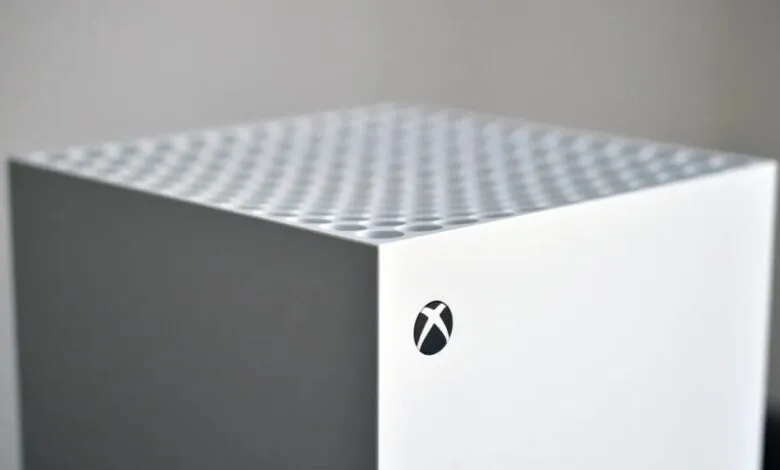
The highly anticipated next-generation Xbox console, known internally as Project Helix, will not reach developers until 2027, according to a recent announcement. Microsoft’s Jason Ronald, speaking at the Game Developers Conference, confirmed that alpha development kits are scheduled for distribution that year. He detailed ambitious hardware goals, stating the system will feature a custom AMD processor designed to deliver an order of magnitude increase in raytracing performance, supporting advanced techniques like path tracing. The console will also integrate a next-generation version of AMD’s FSR upscaling, enhanced by machine learning and frame generation technology to significantly boost perceived visual smoothness.
Beyond the hardware delay, Ronald emphasized a strategic shift toward unifying the Xbox and Windows PC ecosystems. He stated that PC is becoming an increasingly important part of Xbox, with efforts focused on bringing the core Xbox experience directly to Windows. This includes expanding the Xbox mode, a console-like interface first seen on handheld devices, to select Windows computers beginning in April. The company is also rolling out Advanced Shader Delivery, a system that precompiles and distributes shaders with game downloads to eliminate stuttering and wait times at launch.
The vision extends to developers and players alike. Microsoft is actively creating a unified development environment to streamline game creation. The goal is for developers to build once for both Windows and Xbox, with the vast majority of game code being identical across platforms. For gamers, this convergence means greater flexibility. Ronald highlighted the existing Xbox Play Anywhere program, which now includes over 1,500 titles, allowing a single purchase to provide access across console, PC, and cloud. He noted the average gamer plays three to five titles concurrently and should be able to seamlessly continue those sessions on any screen.
In related news, Microsoft’s game preservation initiative is gaining momentum, especially as the brand approaches its 25th anniversary. Ronald announced plans to re-release a number of classic Xbox titles, stating the company feels a deep responsibility to preserve games from the past. He hinted that some of our most iconic first-party franchises are returning this year, though specifics on platforms were not confirmed. An official summary suggested new ways to play these iconic games are coming, leaving open the possibility of PC releases.
This update follows the official unveiling of the Project Helix codename by new Xbox lead Asha Sharma, who assumed her role in February. She described the next console as a very premium, very high-end curated experience that will lead in performance. Her leadership marks a transition for Xbox, following the retirement of Phil Spencer and the departure of former president Sarah Bond. At GDC, Microsoft is also celebrating its history, displaying the original Xbox prototype as a nod to its legacy while charting this integrated future for gaming.
(Source: The Verge)