Robinhood raises $2B in convertible bonds for stock buyback

▼ Summary
– Robinhood is raising $2 billion through zero-coupon convertible notes due 2029, with Goldman Sachs and JPMorgan leading the offering and a potential greenshoe option increasing the total to $2.2 billion.
– The notes have a zero percent coupon and a conversion premium of 60-65% above the stock’s reference price, signaling confidence in share price growth.
– Proceeds will fund $300 million in share buybacks and capped call options with a 125% cap premium, offsetting future dilution from conversion.
– The bond sale follows Robinhood reporting Q1 2026 revenue of $1,070 million, missing expectations, and cutting 10% of its workforce (300 positions) to save $120 million annually.
– The convertible market is strong, with $34 billion in zero-coupon issuance in early 2026, as pandemic-era notes mature and investors seek equity-linked tech exposure.
Robinhood Markets is raising $2 billion through a zero-coupon convertible note offering due in October 2029, capitalizing on a red-hot market for equity-linked debt as technology companies rush to secure cheap funding. Goldman Sachs and JPMorgan are leading the issuance, with an additional greenshoe option that could expand the total to $2.2 billion, according to Bloomberg.
The notes carry a 0% coupon, meaning Robinhood will pay no interest over the life of the debt. The conversion premium is expected to be set between 60% and 65% above the stock’s reference price, a bold signal of confidence in future share appreciation but also a reflection of how favorable market conditions have become for issuers. This structure allows Robinhood to borrow without immediate interest costs, betting that investors will accept zero income in exchange for potential equity upside.
A portion of the proceeds, roughly $300 million, will fund share buybacks designed to offset future dilution from conversion. Robinhood is also purchasing capped call options with a cap premium of approximately 125%, a hedging mechanism that limits the number of new shares the company would need to deliver if the stock surges past the conversion price. This combination of buybacks and capped calls is a standard playbook for convertible issuers seeking to raise capital without immediately expanding their share count.
Robinhood’s stock fell about 4% on the announcement, a typical market reaction to equity-linked debt as investors price in potential dilution, even with the hedging structures in place. Convertible bonds are, at their core, a shared bet that the stock will be worth substantially more by maturity.
The timing is strategic. The convertible bond market is experiencing its strongest period in years, with $34 billion in issuance during the first four months of 2026 alone, on pace to surpass the $120 billion record set in 2025. Roughly $65 billion of pandemic-era convertible notes are maturing this year, recycling capital back into new deals and keeping investor appetite robust.
Zero-coupon convertibles have become especially popular among technology companies. Rubrik, GameStop, and Tempus AI have all issued similar paper in recent months, taking advantage of a market where investors are willing to forgo income entirely for equity optionality. Lenovo raised $2 billion through zero-coupon convertible bonds just last week, using the proceeds to refinance existing debt and fund buybacks in a strikingly parallel structure.
For Robinhood, the offering arrives at a complicated juncture. The company reported first-quarter 2026 revenue of $1.07 billion, up 15% year over year but missing the $1.14 billion analysts had anticipated. Crypto trading revenue collapsed 47% to $134 million as digital asset volumes cratered alongside falling token prices.
The miss was notable because Robinhood had been on a growth streak. The company reached a record of more than 27 million funded accounts in the quarter and grew its Gold subscriber base by 36% to over 4 million. But the headline revenue number fell short, and the crypto weakness exposed how dependent the platform remains on volatile trading activity for a meaningful share of its income.
The bond sale also comes less than a week after Robinhood cut approximately 10% of its workforce, eliminating roughly 300 positions. CEO Vlad Tenev framed the layoffs as an effort to “remain lean and disciplined,” projecting annual savings of about $120 million against one-time restructuring costs of $20 million in cash and $8 million in equity compensation. Unlike Coinbase, which attributed its own recent layoffs to an AI-driven restructuring, Tenev did not invoke artificial intelligence as the rationale, a distinction that drew attention in an industry where AI-washing layoff announcements have become routine.
The juxtaposition of cutting staff and raising $2 billion in debt within the same week tells its own story. The layoffs reduce operating costs, the bond sale raises growth capital at zero interest, and the buybacks support the stock price. Taken together, the moves suggest a company repositioning its balance sheet for expansion while tightening its cost structure.
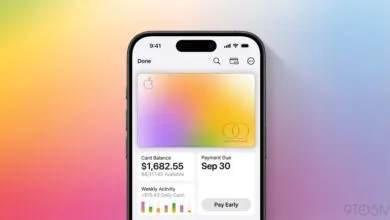
Robinhood has been building aggressively beyond its core stock-trading app. The company launched an AI agentic trading platform in May, allowing users to connect AI agents to their brokerage accounts to execute trades autonomously. It also introduced a virtual credit card for AI agents, a Gold Card with 3% cashback, and a $695-per-year Platinum Card, expanding a product roadmap that now spans securities trading, crypto, derivatives, credit cards, and AI-powered autonomous investing.
That expansion requires capital, and zero-coupon convertibles are among the cheapest ways to get it. Robinhood is borrowing $2 billion and paying nothing for the privilege until 2029, when the notes either convert into equity at a steep premium or get repaid at par. If the stock rises enough, investors win through conversion; if it does not, Robinhood has had the use of two billion dollars of interest-free capital for three years.
The risk for existing shareholders is dilution. Even with capped calls limiting the upside exposure, a sustained rally past the conversion price would result in new shares entering the market. The 60% to 65% conversion premium provides a significant buffer, but Robinhood’s stock has been volatile, trading as high as $108 before the announcement and declining on the news.
The broader convertible market dynamics favor issuers right now. With pandemic-era notes rolling off and investors hungry for equity-linked exposure to technology companies, the window for zero-coupon deals is wide open. Whether it stays open through the life of a three-year bond is a different question, but Robinhood is locking in today’s favorable terms for capital it plans to deploy across a product portfolio that did not exist two years ago.
(Source: The Next Web)