Cubs’ Kenney Addresses Revenue vs. Payroll Gap
▼ Summary
– The Chicago Cubs face significant fan criticism for having MLB’s third-highest revenue but only the 14th-highest payroll, with reports showing they spent a low percentage of revenue on player salaries.
– Cubs executive Crane Kenney defended the team’s spending, arguing that gross revenue figures are misleading because they don’t account for major expenses like revenue sharing, where the Cubs are a large net payer.
– Kenney highlighted that owning and maintaining historic Wrigley Field, including capital expenditures and property taxes, creates substantial financial burdens not faced by teams in leased stadiums.
– He further noted the Cubs pay the highest amusement taxes in baseball at 12%, a significant cost other major markets like Los Angeles or Boston do not incur on tickets.
– The article’s author is skeptical, suggesting Kenney’s explanation is a tailored defense and that the Cubs likely could afford a top-five payroll, but ownership approves of the current financial strategy.
The financial strategy of the Chicago Cubs has become a significant point of discussion, with many fans questioning the gap between the team’s substantial revenue and its more modest player payroll. Despite generating the third-highest revenue in Major League Baseball, the Cubs’ payroll ranked only 14th last season. A widely circulated analysis placed them 26th in the percentage of gross revenue dedicated to player salaries, positioning them between smaller-market clubs like Cleveland and Pittsburgh. This disparity has intensified scrutiny, especially following reports of financial adjustments at the Marquee Sports Network and broader economic uncertainties facing the league.
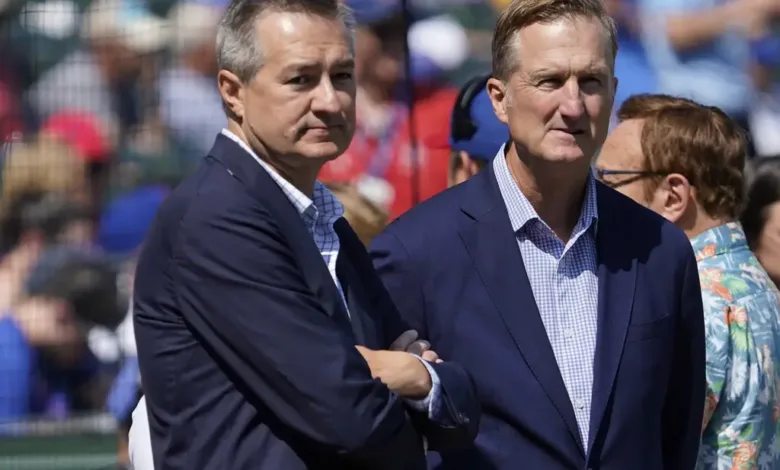
Cubs President of Business Operations Crane Kenney recently addressed these concerns, offering a detailed defense of the organization’s financial approach. He emphasized that comparing teams based on gross revenue figures is misleading. A major factor is MLB’s revenue-sharing system, where all teams contribute approximately 48% of their local revenue into a central pool, which is then redistributed equally. As one of the league’s largest market clubs, the Cubs are “net payors,” meaning they contribute significantly more to this system than they receive back, which substantially reduces their usable revenue.
Kenney also highlighted unique financial burdens associated with owning and operating Wrigley Field. Unlike most teams that lease their stadiums, the Cubs bear the full cost of maintaining the historic ballpark, including massive capital expenditures and substantial property taxes. He noted that the capital expenditure budget for 2026 will exceed the salary of the team’s highest-paid player. Additionally, Chicago’s 12% amusement tax on tickets, the highest in the country, represents another major expense not faced by teams in markets like Los Angeles or San Francisco.
While Kenney’s explanation outlines legitimate costs, it omits certain financial advantages. Wrigley Field’s status as a landmark and a major tourist destination generates considerable revenue, and the stadium’s partnership with DraftKings includes a significant, long-term sponsorship. The core argument from the business side is that gross revenue numbers are a poor indicator of the funds actually available for the baseball operations budget, once revenue-sharing, taxes, and stadium upkeep are accounted for.
Ultimately, Kenney’s role is to manage the Cubs’ business interests in a way that satisfies ownership. The Ricketts family has consistently supported his approach, suggesting the current financial model aligns with their long-term vision for the franchise. However, for a fanbase that witnessed a 92-win season ending in a National League Division Series exit, the explanation may not fully satisfy the desire for the aggressive player investment that a top-five payroll would signal. The disconnect between the business office’s fiscal realities and the fans’ competitive expectations remains a central tension as the team plans for the future.
(Source: Cubs Insider)