Deep Rock Galactic Devs Feel the Heat From 2023’s Multiplayer Hits
▼ Summary
– Ghost Ship Games is developing Rogue Core, set for release next year, following the success of Deep Rock Galactic.
– The multiplayer gaming market has become more competitive since Deep Rock Galactic’s 2018 launch, with many new co-op games like Helldivers 2 and Arc Raiders.
– Unpredictable hits like Peak and RV There Yet? emerged in 2025, representing a trend of cheap, casual hangout games.
– The studio believes Deep Rock Galactic’s niche and established identity are strengths and plans to maintain its core gameplay without major changes.
– Despite fierce competition, Ghost Ship Games is confident in its unique approach to co-op games and the loyalty of its player base.
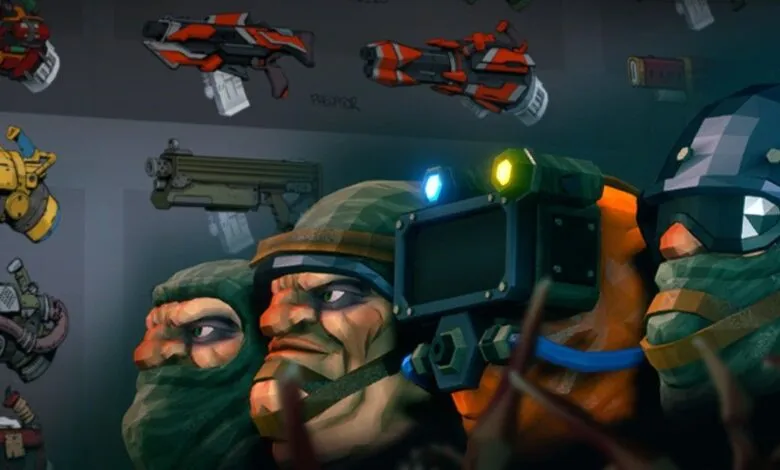
The developers behind Deep Rock Galactic are navigating a multiplayer gaming scene that has grown far more competitive since their flagship title first launched. Ghost Ship Games is currently developing their next project, Rogue Core, scheduled for release next year. While the studio benefits from the lasting appeal of Deep Rock Galactic, breaking through in today’s crowded market presents real challenges. A steady stream of new multiplayer releases and long-standing favorites continue to divide player attention, making success anything but assured.
Mikkel Martin Pedersen, director at Ghost Ship Games, acknowledges the intensity of the current environment. He notes that when Deep Rock Galactic entered early access in 2018, only a few cooperative games had found major success on Steam. Today, the field is packed with strong competitors. Pedersen specifically pointed to titles like Helldivers 2 and the recently launched Arc Raiders as examples of high-quality co-op games performing exceptionally well.
Predicting which games will capture lasting interest has become increasingly difficult. The PC multiplayer space was far less saturated six years ago. Recent surprise hits from 2025, such as Peak and RV There Yet?, represent a growing trend of affordable, casual social games that resonate with modern audiences. Even multimillion-selling titles like Schedule 1 have entered the fray this year, adding to the competitive pressure.
At the same time, high-budget live service games from established studios don’t always find an audience. Remedy’s FBC: Firebreak, for instance, appears to have struggled to make a lasting impact. And while Arc Raiders has posted impressive player counts early on, industry observers are increasingly skeptical about Bungie’s Marathon achieving similar traction.
Beyond these well-publicized releases, countless smaller titles launch with little fanfare. A free-to-play Sonic the Hedgehog game inspired by Fall Guys appeared on Steam recently, but it went largely unnoticed by the broader gaming community.
Despite the fierce competition, Pedersen believes the Deep Rock Galactic franchise occupies a unique position. He emphasized that the series has its own niche and a distinctive approach to cooperative gameplay. This sentiment is shared by lead game designer Mikhail Akopyan, who stressed the importance of staying true to the original game’s identity.
Akopyan made it clear that the team has no intention of altering Deep Rock Galactic’s core design in reaction to industry shifts. He stated that such experimental changes are reserved for future projects like Rogue Core. For him, Deep Rock Galactic should remain exactly what it has always been, a game made for its dedicated community, with the hope that new players will discover and enjoy it as well. The team takes pride in the game’s established identity and is committed to preserving it.
(Source: PC Gamer)