Peloton’s Biggest Threat Is Itself
▼ Summary
– Peloton recalled 833,000 Bike Plus units due to three breakage reports and two injuries, offering free seat replacements, but delayed its Q1 2026 earnings call to after market close.
– Despite the recall, Peloton reported a second consecutive profitable quarter, beating expectations with a bullish holiday forecast, leading to a 14% stock increase.
– The company has a pattern of making progress, such as profitable quarters, but then undermining it with recalls, layoffs, or missteps, creating a push-pull dynamic.
– Peloton’s new hardware refresh and AI features aim to revive growth, but long-time fans are divided, with many upset over the lack of trade-in options for upgrades.
– Under current CEO Peter Stern, Peloton is focusing on profitability and efficiency, adopting a more stable, less dramatic approach to recover from past turmoil.
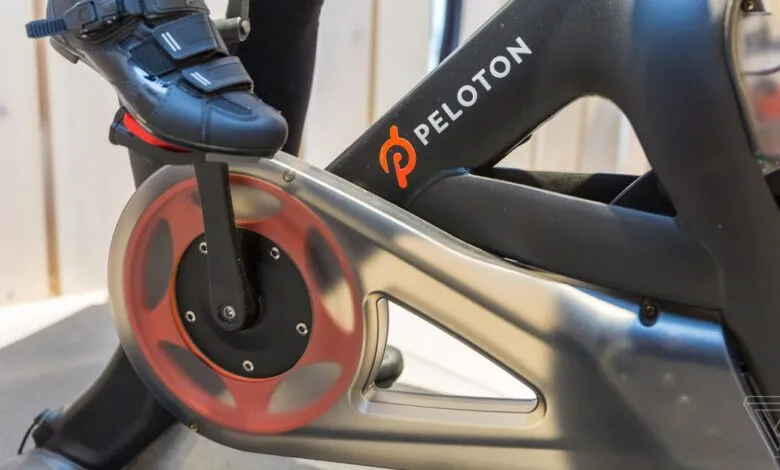
Peloton’s journey through the fitness industry has been anything but smooth, marked by moments of promise repeatedly undercut by self-inflicted setbacks. The company’s latest earnings announcement arrived with an unwelcome companion: a new recall impacting 833,000 of its original Bike Plus units. While CEO Peter Stern promptly addressed the issue during the investor call, noting only three breakage reports and two minor injuries, the timing reinforced a troubling pattern for the brand.
This recall, though smaller than the 2023 seat post issue affecting over two million bikes, still managed to overshadow what should have been a celebratory financial update. Peloton actually delivered a positive surprise, reporting its second straight profitable quarter alongside an optimistic holiday forecast that sent shares climbing 14 percent. Yet once again, the business found a way to temper good news with operational stumbles.
It’s become a familiar cycle. Just as Peloton appears to gain momentum, whether through strong earnings, new hardware, or ambitious AI fitness features, something goes awry. An ill-conceived advertisement, sudden price increases, or another round of layoffs often follows, leaving even devoted followers feeling frustrated. The brand’s most significant challenge isn’t necessarily competition; it’s the company’s own tendency to undermine its progress.
Looking ahead, leadership expresses confidence in a hardware refresh and premium offerings like the nearly $7,000 Tread Plus. However, the reception among Peloton’s community has been mixed. When new products debuted on October 1, longtime subscribers voiced disappointment over the lack of trade-in options or upgrade kits, especially when the core hardware remained largely unchanged aside from an updated display. While defenders of the brand still exist, the rollout can hardly be described as a clear win among its most loyal users.
Under current leadership, the company has adopted a more restrained, methodical approach. Since former CEO John Foley’s departure, public missteps and dramatic conflicts have decreased significantly. Barry McCarthy’s tenure helped stabilize operations, and now Peter Stern is focusing squarely on profitability, cash flow, and efficiency. His communication style is noticeably bland, a stark contrast to the occasionally unpredictable remarks of his predecessors.
Perhaps that’s exactly what Peloton needs, a period of quiet, consistent management. The brand has long possessed a winning combination of engaging products and a dedicated subscriber base. Its struggles have largely stemmed from an inability to avoid unforced errors. While the latest recall suggests the company hasn’t entirely abandoned its flair for drama, both fans and investors would surely welcome an era where Peloton headlines no longer trigger immediate concern.
(Source: The Verge)