‘Revenge of the Savage Planet’ Director Slams Game Pass Model Despite Millions of Players

▼ Summary
– Revenge of the Savage Planet received positive reviews and over a million players but has not generated significant revenue for its developer.
– Creative director Alex Hutchinson attributes the poor monetization partly to Game Pass, as free access reduced player willingness to purchase additional content.
– The game’s $10 Cosmic Hoarder upgrade had an “appalling” attach rate on Game Pass, unlike higher rates among players who bought the game outright.
– Hutchinson views subscription services and free game offerings as creating a “race to the bottom,” making it harder for developers to profit from new releases.
– Other industry figures, including a former Xbox VP, have also noted that Game Pass can reduce retail revenue, with Microsoft acknowledging lost sales from the service.
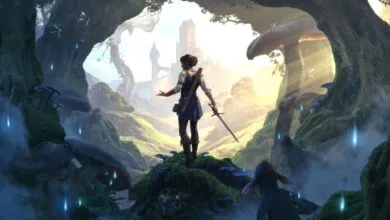
The video game “Revenge of the Savage Planet” earned widespread critical acclaim and a Very Positive rating on Steam, yet its financial performance tells a different story. Creative Director Alex Hutchinson has voiced strong concerns about subscription models like Xbox Game Pass, arguing that while they deliver massive player counts, they often fail to generate sufficient revenue for developers. Despite attracting over a million players across various platforms, the game’s monetization has been disappointing.
Hutchinson explained that being featured on Game Pass exposed the title to a huge audience, but this did not translate into the expected financial returns. He described a troubling dynamic where players who access a game for free through a subscription are far less likely to purchase additional content. The attach rate for the game’s $10 Cosmic Hoarder upgrade has been described as “appalling” on Game Pass, especially when compared to the much higher purchase rate among players who bought the game outright.
The situation is particularly pressing for Raccoon Logic because “Revenge of the Savage Planet” was not an inexpensive project to develop. Funded largely by an advance from Tencent, the studio does not receive royalties until that initial investment is repaid. The team had hoped that the large Game Pass user base would drive sales of the premium expansion, but that expectation has not materialized.
Hutchinson sees this as indicative of a broader, worrying trend in the gaming industry. He suggests that the prevalence of subscription services, deep discounts, and free game giveaways creates a “race to the bottom.” Developers now find themselves competing not only with other new releases but also with their own back catalogs and a vast library of accessible, low-cost entertainment. He noted that in previous console generations, technological leaps and a lack of backward compatibility encouraged consumers to buy new games more frequently. Today, the constant availability of a massive library of quality games makes it incredibly difficult for any single title to achieve significant financial breakthrough.
It is important to acknowledge that perspectives on this issue vary within the industry. Some developers, like Mike Rose of No More Robots, have reported positive outcomes from Game Pass in the past. However, Hutchinson’s concerns are echoed by other prominent figures. Former Xbox VP Pete Hines has similarly stated that high adoption on subscription services can come at the direct expense of traditional retail revenue. Even Microsoft’s own data appears to support this; the company disclosed that placing Call of Duty: Black Ops 6 on Game Pass last year resulted in an estimated $300 million loss in sales, a factor that may have contributed to the recent subscription price increase.
(Source: PC Gamer)